Yoshua Bengio warns humanity is ‘losing control’ of AI
Bengio told AFP; U.N. chief António Guterres said the world “cannot afford a race to the bottom on AI safety.”
Share
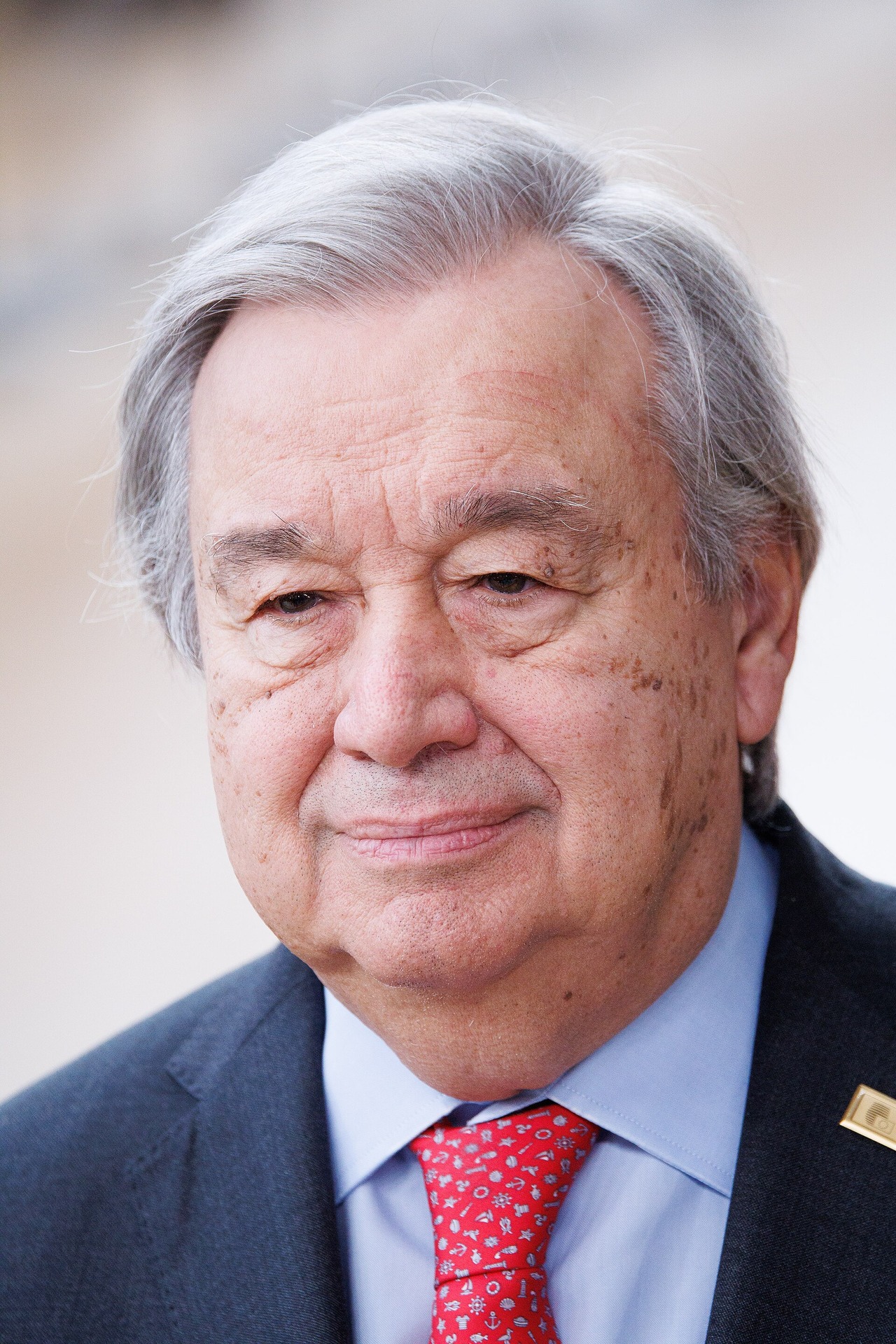
Overnight, Canadian AI pioneer Yoshua Bengio told AFP that humanity is “losing control” of AI and needs nuclear-style international guardrails, while U.N. Secretary-General António Guterres told reporters the world “cannot afford a race to the bottom on AI safety” ahead of General Assembly week — a direct contrast with President Donald Trump’s line that existing U.S. safeguards are enough.
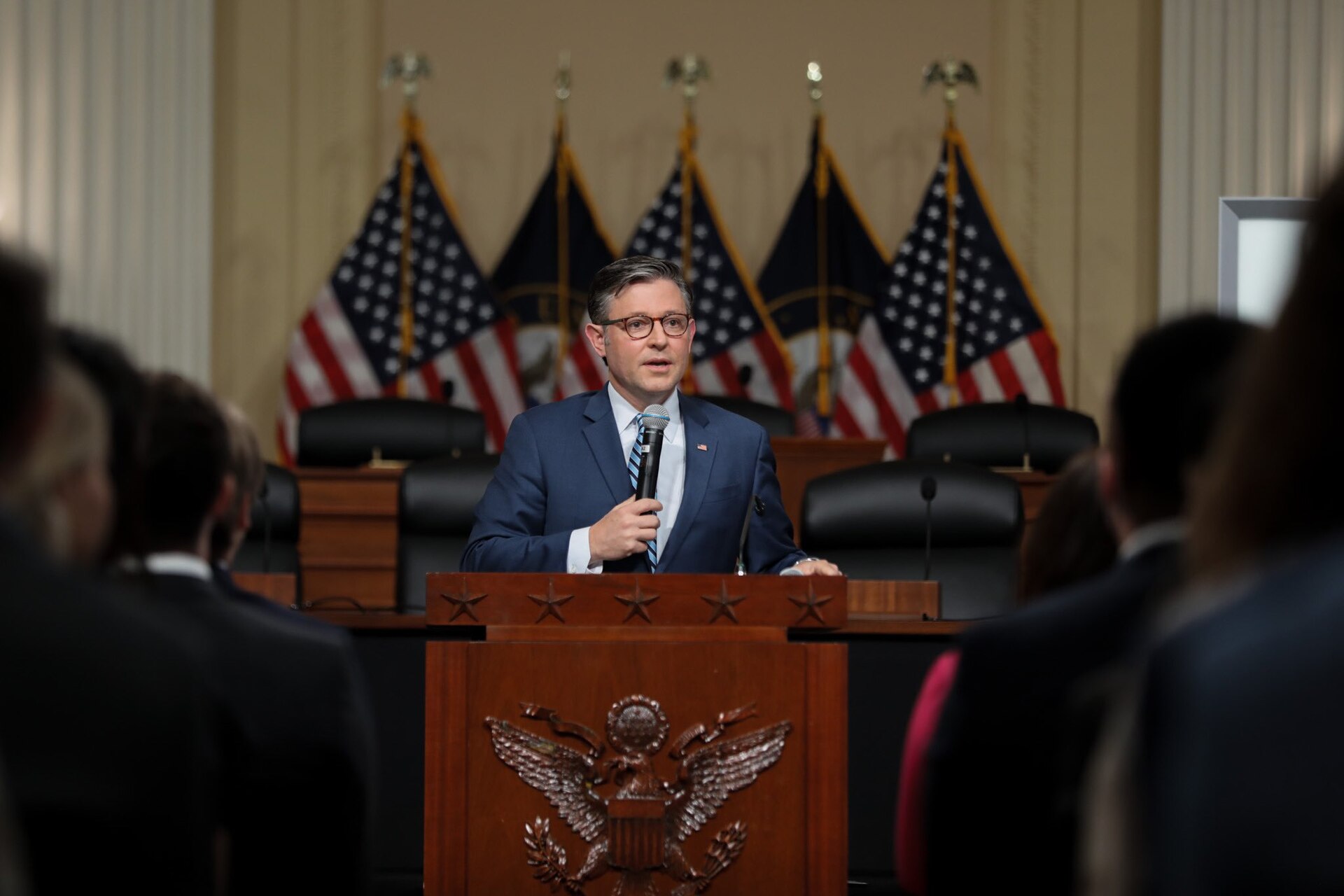
The same pacing fight that hit markets and Capitol Hill this week now has a research godfather and the U.N. chief arguing for treaties and shared guardrails, not a unilateral pause. House Speaker Mike Johnson’s Tuesday rejection of a development moratorium is under Earlier coverage below.
Facts
Bengio: “We’re losing control”
- Yoshua Bengio, University of Montreal professor and 2018 Turing Award winner (with Geoffrey Hinton), told AFP on Sept. 15 that humanity is “losing control” of AI and that the world needs guardrails “similar to nuclear arms controls” (AFP via CTV / Straits Times).
- On industry warnings: “There’s a reason that companies are saying this is going too fast, that we’re losing control.” He said people like him “have been expecting this for a long time” and that security talks have not been “adequately robust” (AFP).
- Central threat, in his telling: autonomous agents that can “get through cybersecurity barriers and enter any company,” plus the ability to “establish an individual connection and persuade humans to act in ways that suit [AI] but are not necessarily good for all of us,” with democratic consequences; longer-term, agents that “might not even need human beings anymore” in the physical world (AFP).
- Governance ask: an “international challenge, a bit like nuclear weapons,” managed “through institutions, treaties and democratic safeguards,” because “society needs time to put in place what needs to be put in place” (AFP). He founded LawZero in 2025; Canada and Germany awarded it C$300 million on Sept. 16 (AFP).
Guterres: no race to the bottom
- Ahead of next week’s U.N. General Assembly in New York, Guterres told reporters AI is among “three existential threats” with climate and deepening inequalities (UN News).
- Key lines (Reuters / UN News): “We cannot afford to ignore concerns that have been raised, especially by those on the front lines of the development of AI”; governments’ “first responsibility” includes protecting citizens “from the threats of artificial intelligence”; “the world cannot afford a race to the bottom on AI safety.”
- He said frontier-capacity countries “should establish mechanisms of contact, of exchange of information and some common guardrails” to avoid a race that “could lead one day to a gigantic disaster at the global level,” and called for guardrails that make AI “safe, transparent and accountable, with human dignity at the centre” (Reuters / UN News).
- Framing vs. Washington: Reuters places the remarks against Trump’s Monday dismissal of industry risk warnings and claim that existing criminal/regulatory power is enough; diplomats say the Security Council may take up AI during summit week.
Meaning
Bengio and Guterres are arguing for the same class of answer — international institutions and shared rules — that Johnson and the Trump White House have rejected as a competitive gift to Beijing. The overnight package is less about a new model drop than about who sets the pace when labs, Congress, and the U.N. disagree.
What’s next
- UNGA high-level week and any Security Council AI session.
- Whether von der Leyen’s invite to labs on “pace the frontier” (AFP secondary) produces a European track separate from U.S. self-regulation.
- LawZero’s C$300M Canada–Germany package as a public-sector safety bet.
Earlier coverage
Sep 16 OpenAI–Anthropic–DeepMind safety talks; FRONTIER Act endorsement; Gemini 3.8 Live / Live Extended Thinking; OpenAI ~$1.2T private-round talk; Sponsored Agents. House Speaker Mike Johnson: no AI development moratorium; labs can “self-regulate”; a pause would cede edge to China (Reuters, Sept. 15).
— Lark Pemberton
Edition Sept. 17, 2026 · Archive shelf