OpenAI’s Images 2.6 adds GIFs and says it is 50% faster
OpenAI says Images 2.6 is 50% faster, adds native GIFs and new API controls, and is live in ChatGPT, Codex and the API.
Share
OpenAI released Images 2.6, a new image model that can make looping animated GIFs and, the company says, runs 50% faster than before. The tool is live in ChatGPT and Codex across all subscription tiers, and as two application programming interface options for developers, OpenAI says in a Nov. 4 post.
People create “4 billion images per week” across ChatGPT, Codex and the API, or “more than half a billion” a day, OpenAI says. Those figures are the company’s own.
What it does
The headline change is motion. Users can animate a character, a brand mascot or a product shot into a short GIF loop, the post says. OpenAI says the model also keeps characters, products and brand details more consistent across editing rounds.
In the API, developers get two flavors. GPT-Image-2.6 Flare is aimed at speed. At low quality, Flare can finish an image “in as little as six seconds,” OpenAI says, and it is pitched for posters and product shots. GPT-Image-2.6 Sunburst is the higher-detail option, with stronger consistency across edits when quality is set to medium or high, the company says.
Developers also get new editing tools. Image markup, which lets a user point to the exact spot to change and is already in ChatGPT, comes to the API. Designs can export as Scalable Vector Graphics, a format that keeps lines sharp for print and the web. A new “complexity” setting controls how much planning the model does before it draws. OpenAI recommends low complexity for most edits and medium or high for crowded scenes.
The post lists no prices for the API models. It points to a separate pricing page. It also points to a system card for safety tests. The page does not say whether GIF output carries provenance metadata.
Astra builds a gadget
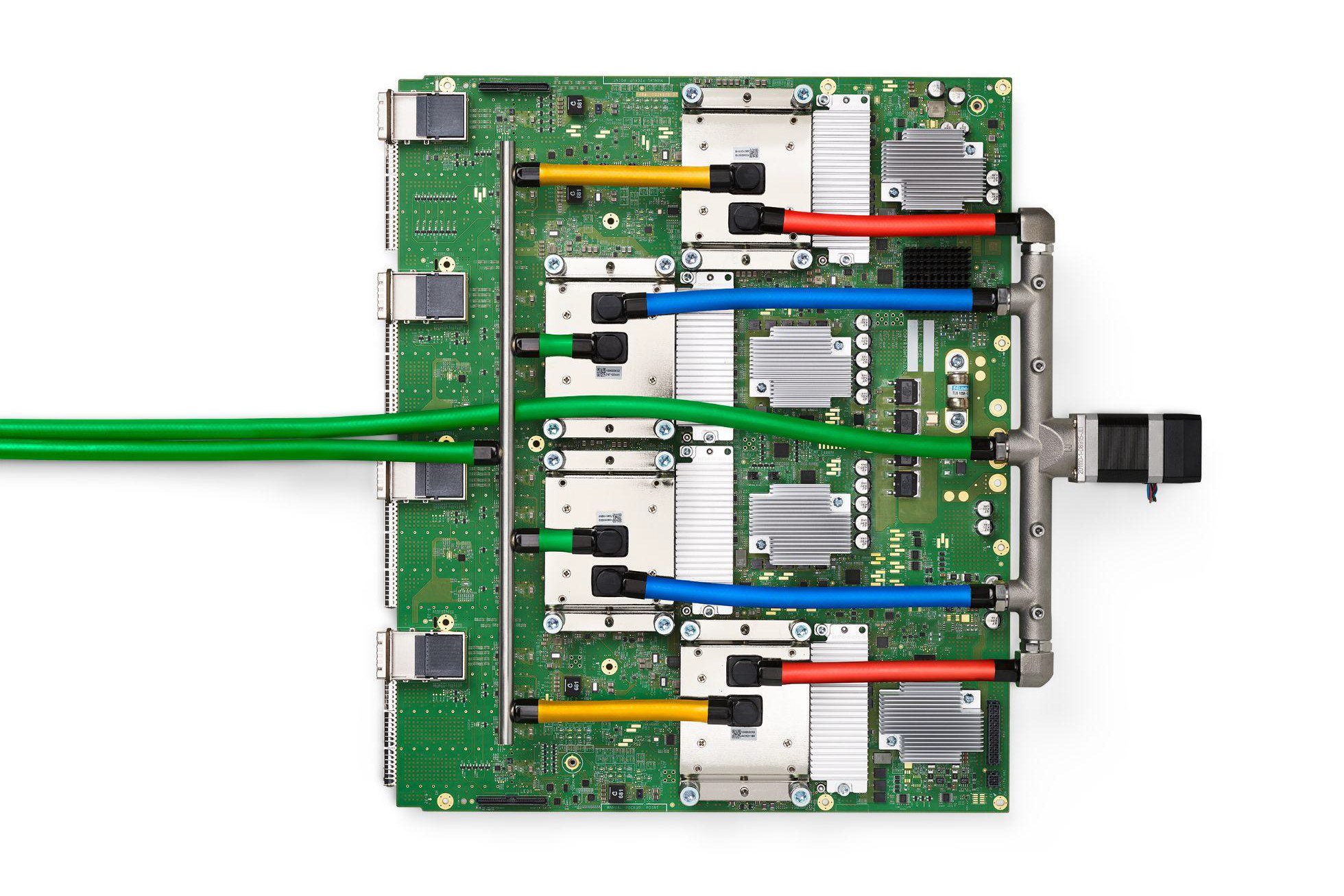
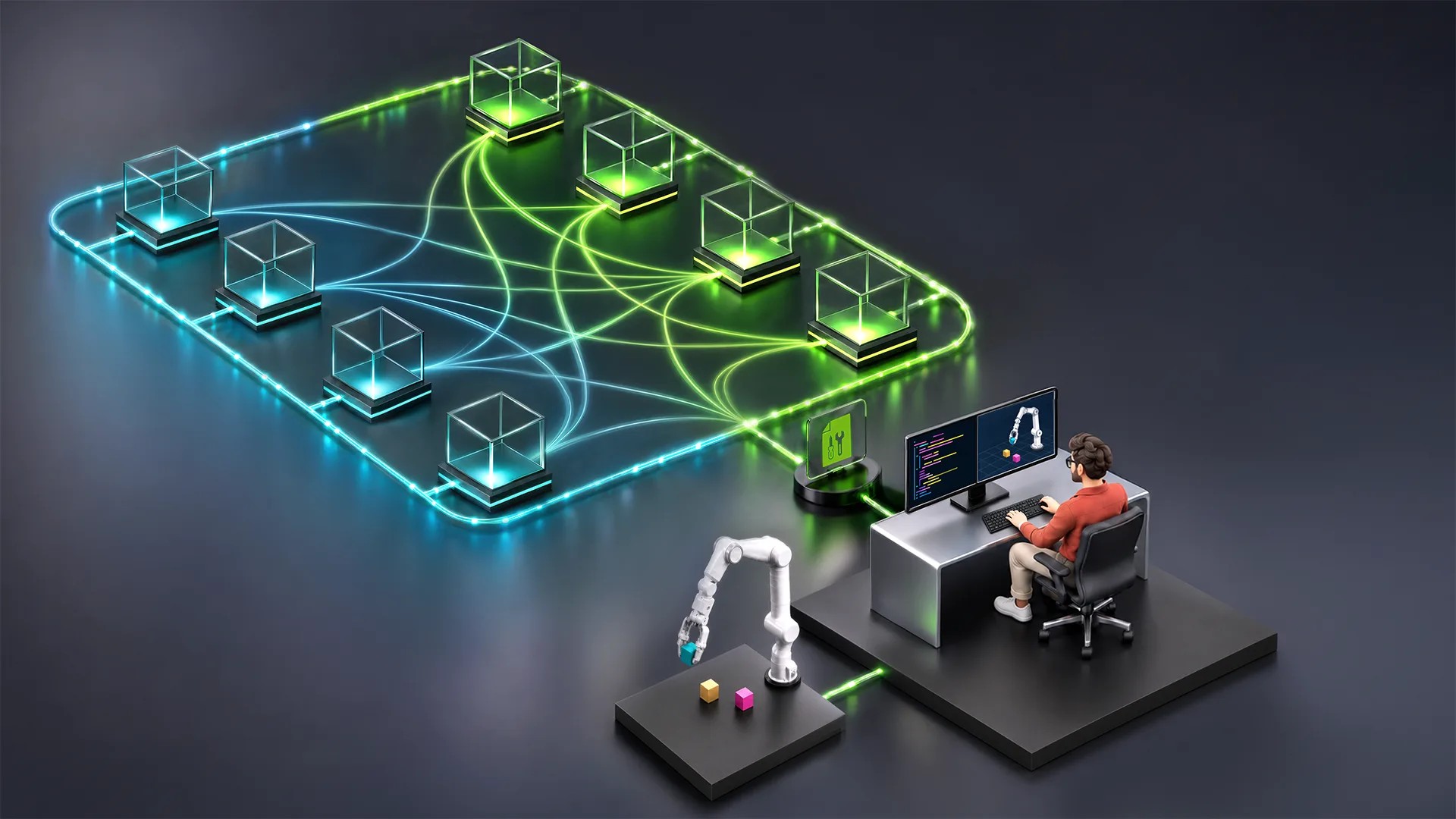
In a separate Nov. 3 research post, OpenAI says its GPT-6 Astra model designed a small device people can use to talk to Codex — aesthetics, enclosure, circuit board, firmware and interface — “without any direct human edits.” Two staffers ran the test as a side project in under a week, and a contract manufacturer made a small batch of prototypes in under a month, OpenAI says. Getting the device ready to manufacture still took several rounds of review. Astra “did not consistently account for the manufacturer’s production limits, tolerances, or details required for assembly,” the post says. On BenchCAD 2.0, which tests whether models can rebuild 3D parts and assemblies and identify circuit-board connections, a newer unnamed internal model scored 0.875 against 0.594 for GPT-6 Astra at its highest reasoning setting, OpenAI says. Nothing in the post is for sale.
Our read: Images 2.6 is a product update with a clear sales pitch: faster rounds, motion and tighter brand control. The 4 billion weekly images and the 50% speed claim come only from OpenAI, so treat them as marketing until others measure them. GIFs will matter for social and ads. What the post leaves out matters as much. It does not say whether animated output carries provenance or watermark data, and it sends readers to a separate system card for safety details. Developers should check that card and the pricing page before they build. The Astra gadget is a useful counterweight. It shows the same company pushing models into physical design, then admitting the prototype still needed human fixes for manufacturing limits. That candor is rare and valuable. It also marks the line: a research demo is not a shipping product. Watch whether OpenAI publishes outside tests of Images 2.6 speed and GIF quality, and whether Astra’s manufacturing gaps shrink in the next round.
Also today
Google will turn school AI tools and Search off until administrators opt in. AMD posts a $13.4 billion quarter as data-center sales nearly double.
What’s next
OpenAI’s Images system card is the next document to read for safety and provenance detail. Its Astra post invites more engineering partners; Chip Ganassi Racing and Mazda are already named. School-district controls and AMD’s fourth-quarter results against its guide will show whether today’s other fronts hold.
Sources: OpenAI Images 2.6, OpenAI physical-world engineering
Edition Nov. 5, 2026 · Archive shelf