Apple opens Siri AI to apps that adopt App Intents in beta
Apple says a Siri AI preview in its 27.3 betas lets any app that adopts App Intents add custom actions, with App Store submissions opening in spring.
Share
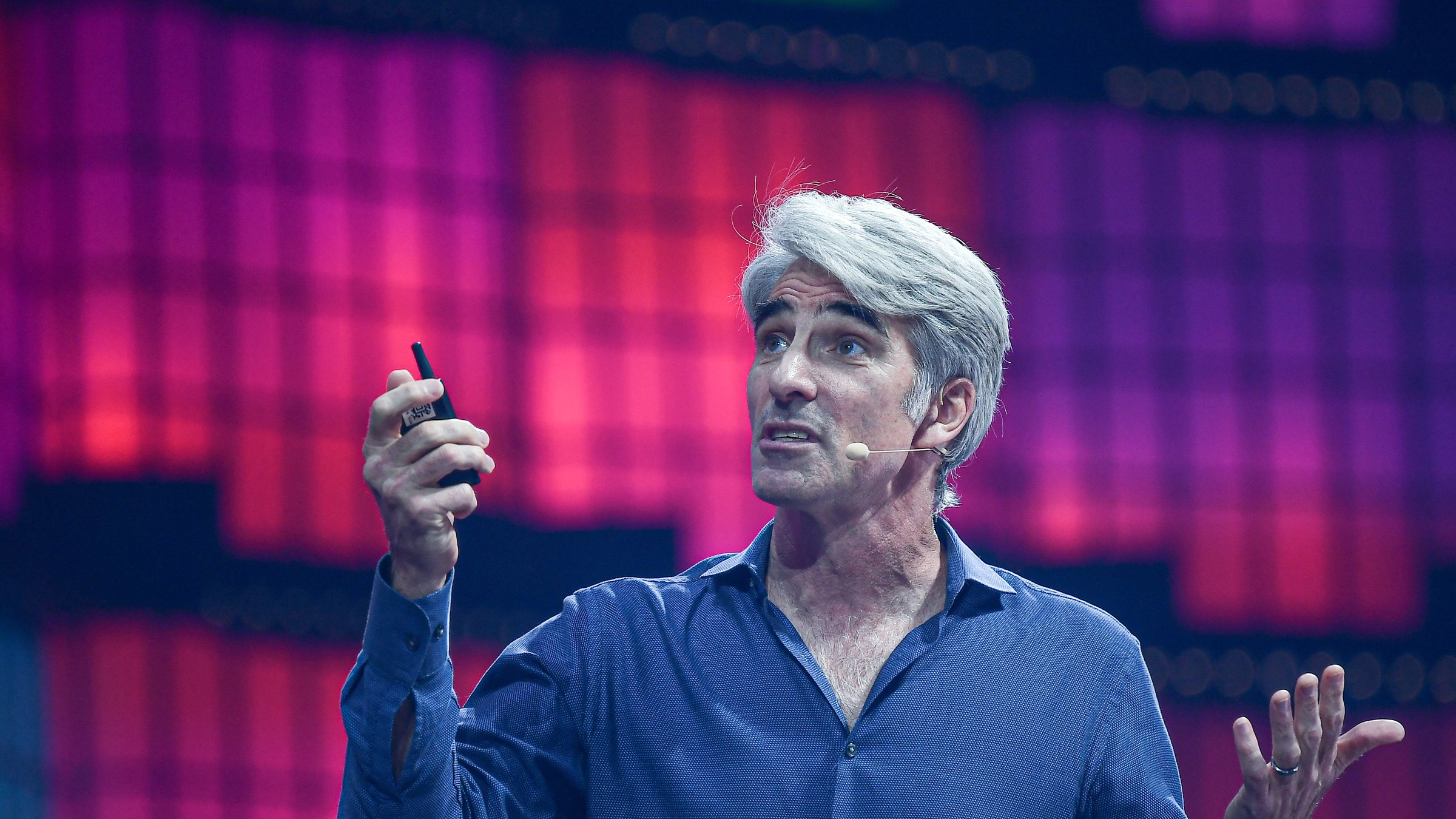
Apple is letting any developer plug an app into Siri AI, its rebuilt assistant, through its App Intents application programming interface. The Siri AI Developer Preview starts Tuesday in the iOS 27.3, iPadOS 27.3, macOS 27.3 and visionOS 27.3 developer betas, Apple says in a developer news post. The work sits under Craig Federighi, Apple’s senior vice president of software engineering, according to Apple’s leadership page.
There is a catch in the word “any.” Siri can find only the content and run only the actions that an app “makes explicitly available using App Intents,” Apple’s documentation says. Apps that do nothing get nothing.
What changes
Until now, Siri handled app actions that fit Apple’s own templates, which it calls schema domains. The preview adds custom actions and custom content. Apple’s examples run from checking a delivery to booking a reservation to placing an order.
People will not always have to name the app. If it is on screen, has a Live Activity running or came up earlier in a Siri conversation, Siri can act on it, the documentation says. For apps in the background, the user must name the app. Siri can also pull content from one app and send it through another, such as sharing a saved pair of sneakers in a messaging app.
Apps can show results in card snippets with their own branding. For harder requests, Apple is adding “skills,” which teach Siri to chain several actions into one task. Siri can also surface any item in the Spotlight semantic index, not just ones that fit a template.
What developers must do
Developers update their existing App Intents code. Apple says no new entitlement or separate program is needed. A Siri Integration Advisor in Xcode, Apple’s coding tool, suggests fixes. A testing framework lets developers script requests and catch changes in how Siri responds.
Testing is limited. It works on development builds and with internal testers in TestFlight, Apple’s beta app service. It does not reach external testers or App Store versions. Apple says the interface and Siri’s behavior may change during the preview.
The limits
Siri AI works in English, French, Japanese, Korean, Portuguese and Spanish, Apple says, with Traditional Chinese, Norwegian, Turkish and Vietnamese coming. It needs a device that supports Apple Intelligence. It is unavailable in the European Union on iOS, iPadOS and watchOS. It is not available to users under 13. Features that use server-side models face daily usage limits, and Apple says expanded access will cost a fee in the future.
Our read: This is the right way to open an assistant. Apps choose what Siri can see and do, and nothing is exposed by default. That is sound on privacy and security grounds. It also means the reach will depend on how many developers do the work. Apple says thousands already have Siri integrations, which gives it a base. The testing tools are a good sign that Apple expects Siri to get things wrong and wants developers to measure it. But Apple has not published the terms and usage policies that will govern these experiences, and it says only that details will follow. It has not said what the future fee will be. Its pages do not explain how app data handed to Siri is processed or kept when requests run on server-side models. Developers should build now but plan around those gaps. Whether Siri reliably picks the right action from a loose request is the test. A beta cannot settle that.
Also today
Anthropic’s amended filing to go public shows a $17 billion quarter. OpenAI says its Georgia campus can cut up to 1,000 megawatts of power use. Oracle launches a $20 billion stock and bond sale. Trajectory raises $45 million for AI post-training.
What’s next
Apple engineers will hold Apple Intelligence Group Labs on Nov. 4, 9 to 10 a.m. Pacific, and Nov. 5, 6 to 7 p.m. Pacific. Apple says the features ship to customers “in a few months,” with App Store submissions opening in the spring.
Sources: Apple Developer news, Apple documentation
Edition Nov. 3, 2026 (5pm) · Archive shelf