New York Times and three papers sue Brave over AI scraping
The suits say Brave built a 30 billion-page index with an unnamed crawler and sold it to AI firms. Anthropic and four others are named as customers only.
Share
Brave Software runs a search index it says holds “over 30 billion webpages.” Two lawsuits filed Monday in Manhattan say that index is built on scraped news and sold to AI companies.
The New York Times Co. filed one suit in the U.S. District Court for the Southern District of New York, case 1:26-cv-09549. The Daily News, the Chicago Tribune and the Orlando Sentinel filed a second, case 1:26-cv-09554. The same law firm, Rothwell, Figg, Ernst & Manbeck, signed both. Brave Software Inc. is the only defendant in each.
The claim in plain English
The complaints tell a three-step story. First, the suits say, Brave crawled the web to build its index but “has never disclosed the name of its ‘bot,’” so site owners had no way to block it.
Second, the complaint alleges, Brave fed that content to Ask Brave, its AI answer feature, through retrieval-augmented generation. The Tribune papers’ suit says Ask Brave produced more than 1,200 words of a Chicago Tribune article on data centers and nearly 600 words of a Daily News article on Central Park horse carriages.
Third, the suits say, Brave sells access to the index through the Brave Search API. AI companies use it to train models, answer user questions or both, the complaint alleges. The Times’ complaint says the API handles billions of calls a week.
The suits also target a browser setting called Paywall blocker. They say it lets readers get past paywalls, and that Brave blocks publishers’ ads while selling its own.
Who is targeted, and who isn’t
Both complaints call Brave “the supplier, dealer, and distributor of stolen copyrighted content” for “many of the most prominent GenAI companies, including Anthropic, Perplexity, Mistral, xAI, and Cohere.” Those five are named as customers. None is a defendant.
The Times’ complaint cites a 2023 Brave blog post saying Anthropic used Brave’s Search API to train Claude 2.
Both suits say Brave “has made more than $100 million by copying and reselling publishers’ work.” The Times’ complaint cites “third-party reports” that Brave’s 2025 revenue passed $100 million, up from about $52 million in 2024. The Times’ complaint says Brave is closely held and that detailed information on its operations is not readily available.
The counts
Each suit pleads five counts: direct, contributory and vicarious copyright infringement; circumvention under the Digital Millennium Copyright Act; and unjust enrichment under New York law. The Times seeks damages, a share of profits and a permanent injunction. Both demand a jury.
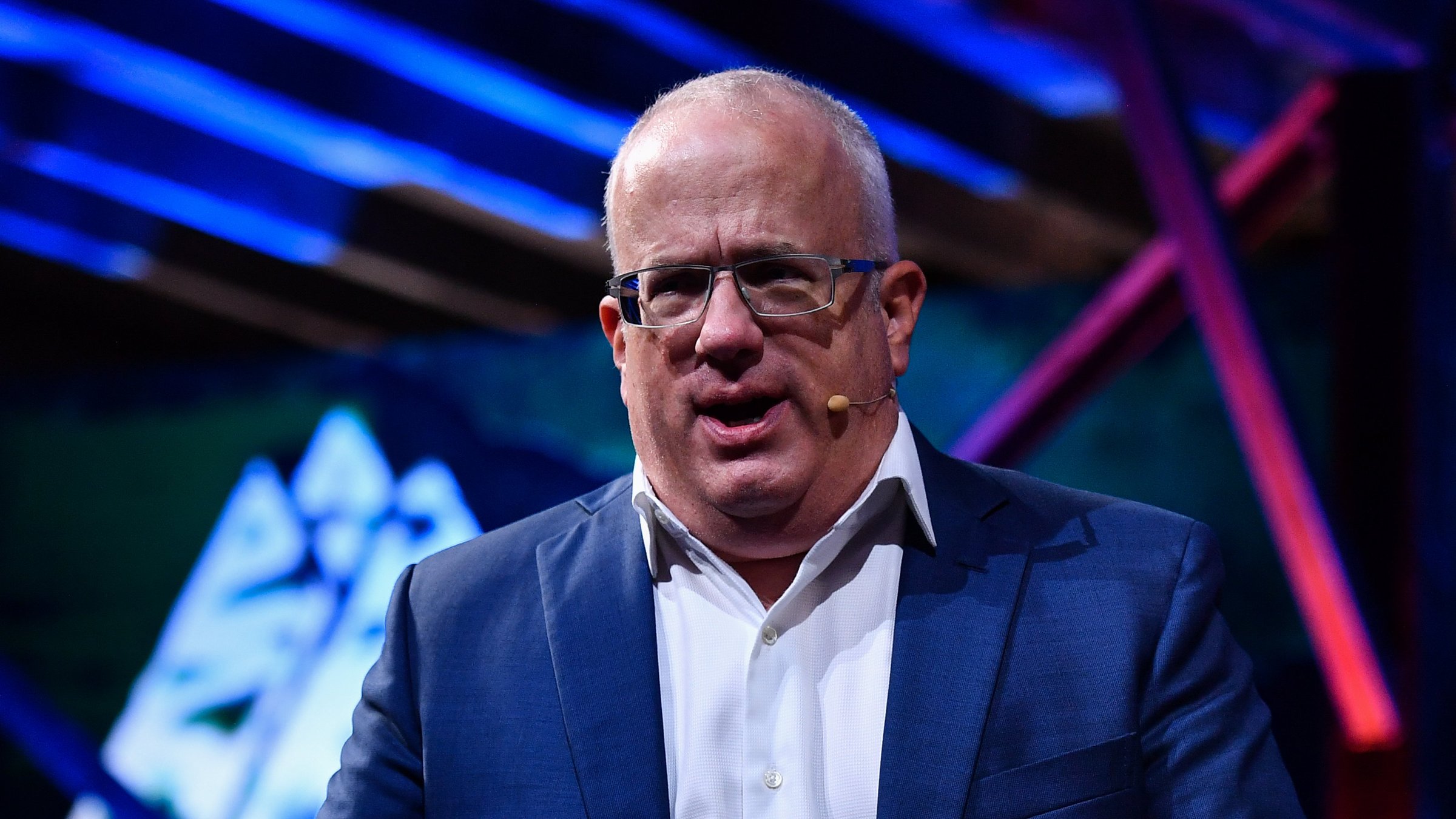
The Times says it wrote to Brave CEO Brendan Eich in August 2025 and again in April 2026, demanding Brave stop. The complaint says Brave ignored both letters.
Our read
Most AI copyright fights so far have centered on the companies that build models. These two suits aim one layer down, at a company that supplies the data.
That shift matters. A search index sold as an API sits between the open web and the chatbot. If a court agrees the index itself infringes, every customer that pulls from it inherits a question about its own supply chain. The complaints lean on that idea by naming five AI customers while suing only Brave.
Brave has a case to make, too. Search engines copy pages to index them, and that practice is old. The suits seem built with that in mind. They focus on full-text output in Ask Brave, on the unnamed crawler and on the paywall setting, not on indexing alone. The anti-circumvention and unjust-enrichment counts give the papers theories that go beyond copying for an index.
Much of the money story rests on third-party estimates, not Brave’s books. Discovery, if the cases get there, would test it.
What’s next
Both complaints were filed Nov. 2, and Brave will have a chance to respond in court. Watch whether the two cases are marked related, which would typically put them before one judge, and whether Brave moves to dismiss.
Sources: Complaint, The New York Times Co. v. Brave Software, S.D.N.Y. 1:26-cv-09549 · Complaint, Daily News LP et al. v. Brave Software, S.D.N.Y. 1:26-cv-09554
Edition Nov. 4, 2026 · Archive shelf