Jassy says AWS is sold out for 2026 and largely for 2027
Amazon CEO Andy Jassy told the a16z podcast that AWS capacity is sold out for 2026 and largely for 2027 even with about $220 billion in planned spending.
Share
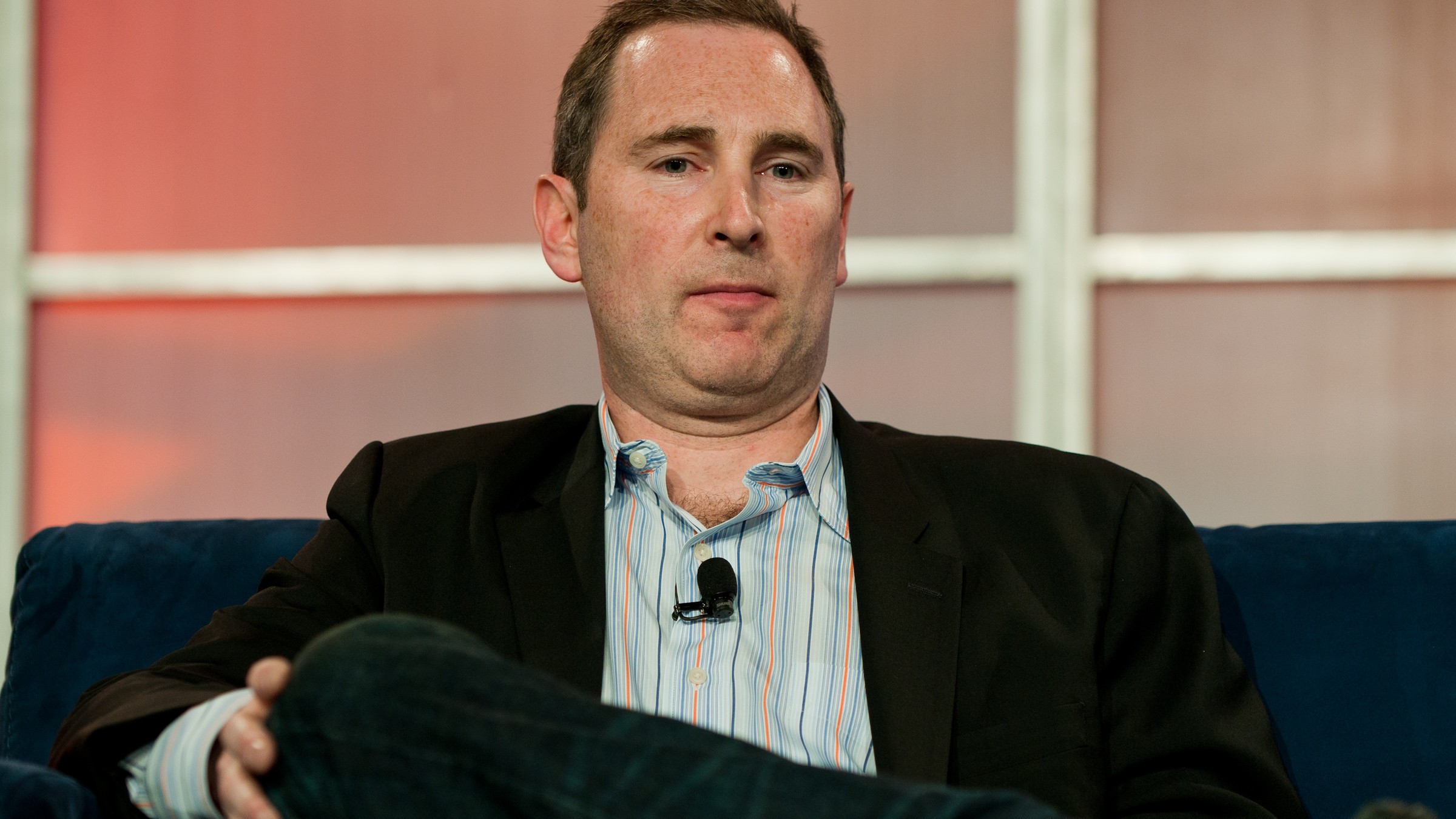
Amazon CEO Andy Jassy said Amazon Web Services has already committed its computing capacity for 2026 and most of 2027, even as the company plans to spend about $220 billion on capital projects this year, according to an a16z podcast interview published Friday.
“26 is obviously sold out. 27 is largely sold out. A good chunk of 28 is sold out,” Jassy said in the interview, which a16z posted on YouTube under the title “Amazon CEO Andy Jassy on the $220 Billion AI Buildout.”
Jassy said that even at about $220 billion of capital spending in 2026, “we’re leaving a meaningful amount of demand on the table.” He said Amazon always holds back some capacity: “We always leave a certain amount for on-demand,” he said, naming the Bedrock inference service and EC2, but added that the big blocks are “largely sold out.”
The sold-out description is Jassy’s account of large customer commitments.
What’s driving it
Jassy tied the demand to scarce inputs. “There’s only so much data center and power today. There’s only so much memory and I don’t think that that shortage ends in 2027,” he said. He said Amazon must decide how much limited memory goes to high-bandwidth memory for AI accelerators versus standard DRAM for its non-AI “core” business, both of which he said are growing quickly.
He also defended the spending pace. Data center buildings must be funded about two years before servers go in, but server and networking gear is bought only months ahead, giving Amazon “very good visibility into customer demand,” Jassy said. He said “most of the deals we’re doing are about 5-year deals,” and that free cash flow faces headwinds while so many sites are built at once. Of the $220 billion, he said “we could spend a lot more” and that it would not be a bad use of capital over the medium to long term.
Amazon’s own filings show the backdrop. AWS segment sales rose 37% to $42.2 billion in the second quarter, and the AWS AI business passed a $25 billion annual revenue run rate, growing triple-digit percentages, the company said in its July 30 results release.
Our read
Jassy’s comments are a CEO’s description, not an audited number, and the distinction matters. “Sold out” here, by his own wording, refers to the big multi-year blocks; he said on-demand capacity is still set aside, so a smaller customer can still rent servers. What the remarks do signal is that Amazon sees its AI spending as backed by signed commitments rather than speculation. His point that equipment is bought only months ahead of use is the core of that defense: if demand slips, Amazon says it can stop ordering servers. The risk sits elsewhere. Jassy himself named power, data center space and memory as limits, and said he doesn’t expect the memory shortage to end in 2027. That means growth may be set as much by supply as by demand. And with deals of about five years, revenue depends on those customers staying healthy over that span, something no interview can confirm.
Who has a stake
AI labs and large customers: Jassy described the biggest buyers as taking up most future capacity; the interviewer asked whether labs willing to pay “almost anything” would crowd out longtime customers. Jassy said Amazon doesn’t think of it that way.
Chip and memory suppliers: Jassy’s comments point to continued demand for memory, power and data center space.
Amazon’s chip unit: Jassy called the 2015 Annapurna Labs deal one of Amazon’s best acquisitions but said “we did not make the Annapurna purchase for AI chips per se.”
Shareholders: Jassy said heavy building weighs on free cash flow until data centers mature.
What’s next
Amazon will discuss third-quarter results on a conference call Thursday, Oct. 29, at 2 p.m. PT, the company said in an Oct. 15 release. That call will be the first formal update since the interview.
Edition Oct. 26, 2026 · Archive shelf