Canada takes stake in Cohere as AI lab targets C$7 billion
Ottawa said it will invest up to C$1.6 billion for equity in Cohere, which agreed to keep its headquarters in Canada as it seeks up to C$7 billion.
Share
Canada’s government plans to invest up to C$1.6 billion for an equity stake in Cohere, the Toronto-based artificial intelligence company, Prime Minister Mark Carney announced Thursday. Cohere said the same day it had completed an initial close of a Series E funding round targeting up to C$7 billion.
The government called the stake “a commercial investment,” made alongside private investors including Nvidia, Bell and Germany’s Schwarz Group. The money will be paid in stages, with regular reporting on Cohere’s progress on jobs and investment in Canada, according to the Prime Minister’s release. All dollar figures are Canadian.
Cohere did not say how much of the round has closed so far, and neither the government nor the company disclosed a valuation or the size of Canada’s ownership share.
What’s driving it
In return for the money, Cohere committed to create at least 1,000 new Canadian technical jobs by 2030, spend at least C$1.7 billion on additional computing infrastructure in Canada by 2030, keep its Canadian incorporation and headquarters, fund research partnerships and keep working with the Canadian AI Safety Institute, the release said.
“We’re not waiting for the future of AI to be decided somewhere else by those we don’t know or those we don’t trust,” Carney said in a speech in Montreal, where he was hosting a Canada-European Union summit. “Under this agreement, Cohere will stay Canadian,” he said, adding that the government had “secured strong terms for Canadians.”
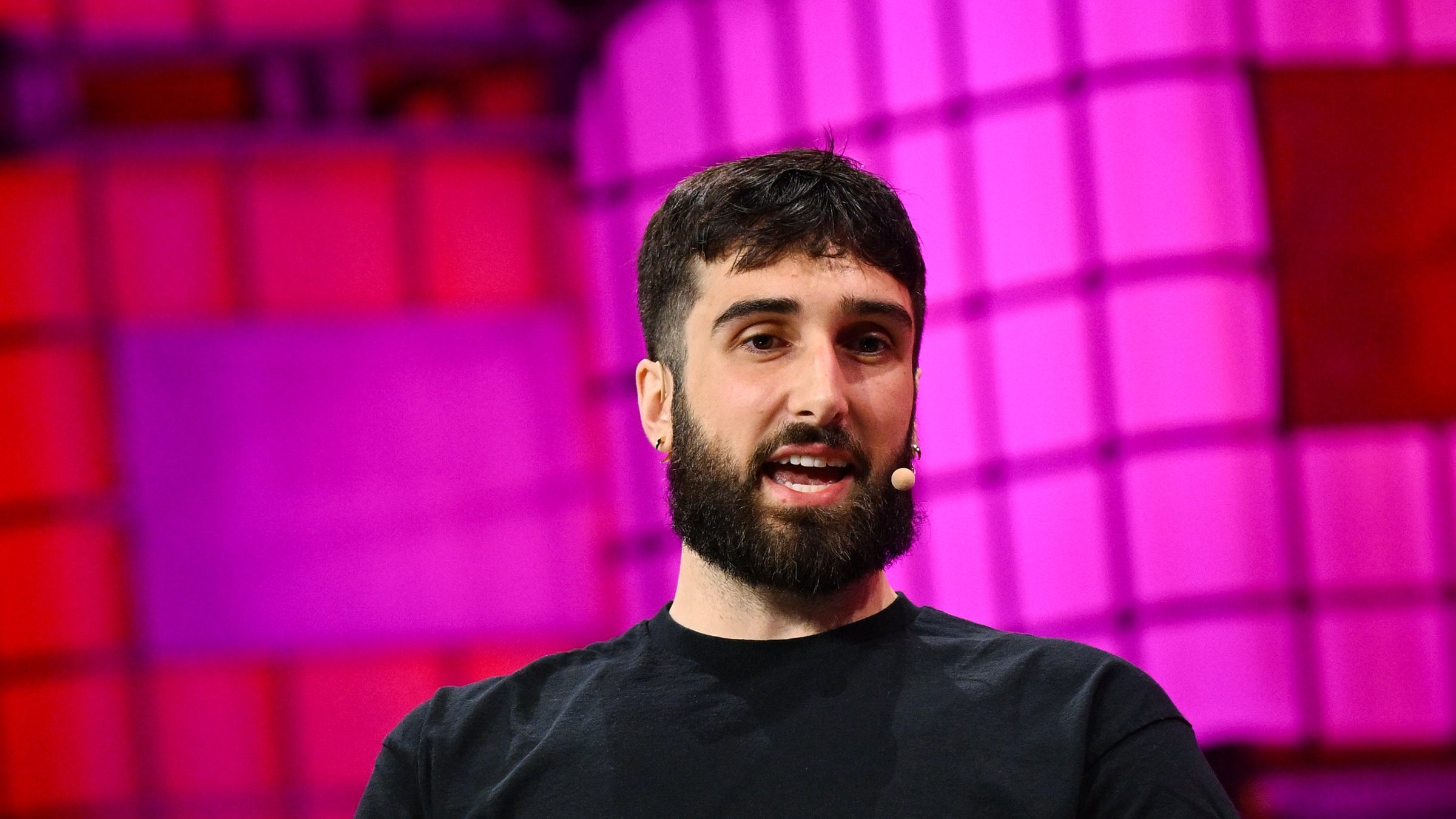
Cohere said Schwarz Group is leading the round, joined by investors including Bell Ventures, Bullhound Capital, Inovia Capital, Nvidia, Prosperity7 Ventures and the Canadian government. In a post by co-founders Nicholas Frosst, Ivan Zhang and Aidan Gomez, the chief executive, the company called it “the largest funding round ever raised by a private Canadian company” and said the money would build “a frontier company outside the U.S. and China.”
Our read
A Group of Seven government buying equity in an AI model developer is a different tool from the grants, tax credits and compute subsidies that governments have more often used to back the industry. In the U.S., the largest model developers have raised their capital mainly from private investors and big technology companies, and Ottawa’s move puts the state on the cap table instead. That is a direct bet on one company, which means taxpayers carry ownership risk in a business that has not published profits and is still raising money. What Canadians get for that risk is spelled out only in broad terms: at least 1,000 jobs, a C$1.7 billion computing pledge, a headquarters guarantee and staged payments tied to progress reports. The public documents do not say what happens if Cohere misses those targets, whether Canada gets board seats or what share of the company it will own. Those details will decide whether this is industrial policy with teeth or a subsidy with an equity label.
Cohere frames the round as a rebuke to what it calls “frontier fatalism,” the view that only the U.S. and China can build top models and everyone else should rent them. That is the company’s pitch, not a settled fact. Cohere is competing with far larger rivals, and its own post rests much of its case on specialized fields such as cybersecurity rather than on matching the biggest general-purpose models. Earlier this week, Cohere published test results on a rival Chinese model, part of the same argument about trusted AI.
Who has a stake
Beyond the Canadian government, the release names Nvidia, Bell and Schwarz Group as private investors. Cohere also pointed to its recent merger with Germany’s Aleph Alpha and a planned acquisition of AISLE, a cybersecurity firm that will become Cohere Cyber. Cohere said AISLE identified more than 500 software vulnerabilities in its first year.
Carney said banks, telecom companies and the federal public service already use Cohere’s technology. Cohere said Ottawa has committed more than C$5 billion to AI since 2017.
What’s next
Over the next 12 months, Cohere said, it plans to complete the Aleph Alpha combination and the AISLE purchase, launch Cohere Cyber for air-gapped and classified settings, release its next generation of models and begin frontier-scale training with allied partners. Canada’s stake will be paid out in stages as Cohere reports progress on its jobs and investment commitments, the government said.
Sources: Prime Minister of Canada news release, Oct. 29, 2026; Prime Minister Mark Carney’s speech in Montreal, Oct. 29, 2026; Cohere, “Who Gets to Build the Frontier for AI,” Oct. 29, 2026
Edition Oct. 30, 2026 · Archive shelf