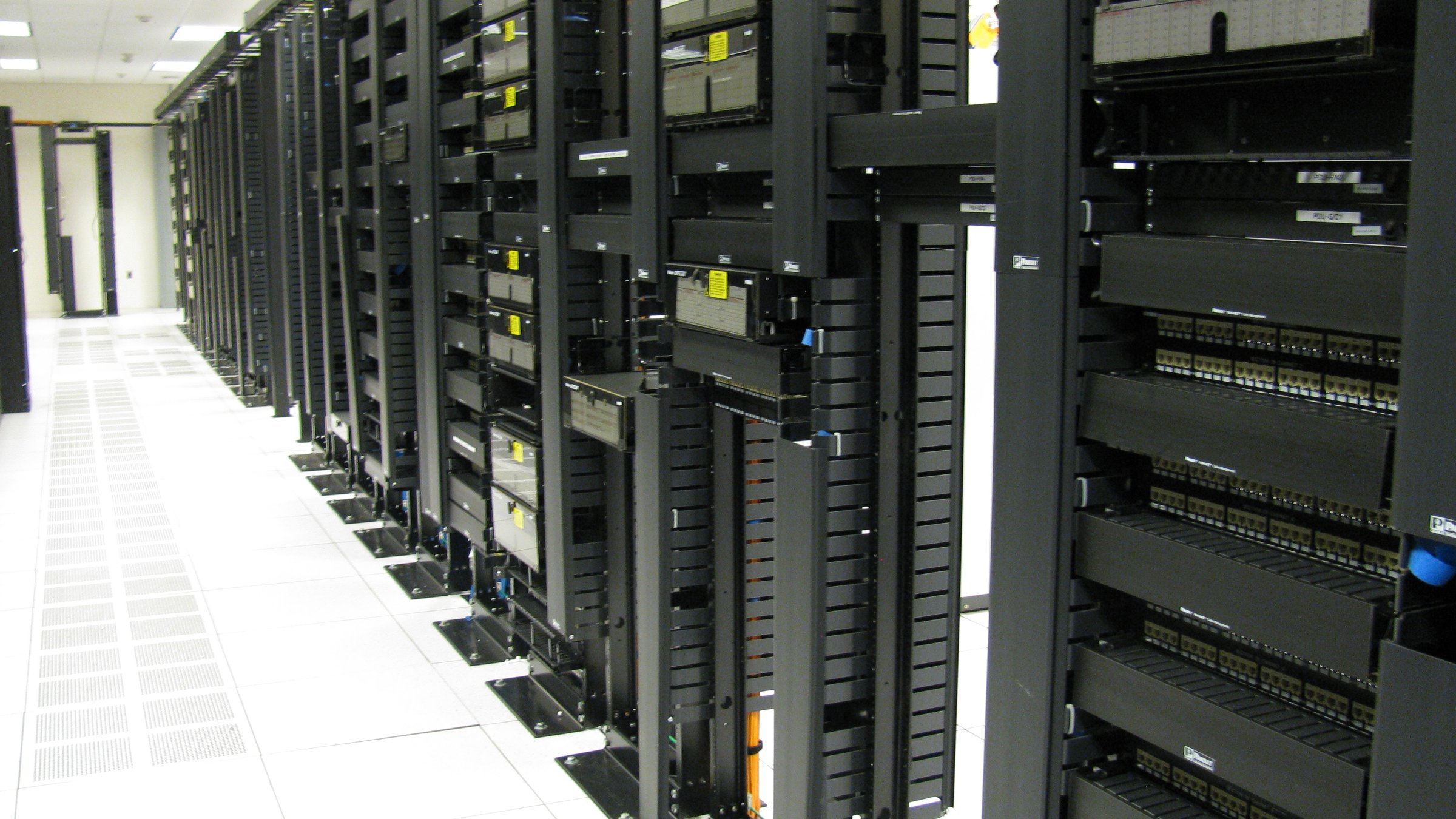
Microsoft says Azure grew 48% as AI demand outruns supply
Microsoft said Azure revenue rose 48% last quarter, and CFO Amy Hood said customer demand still exceeds supply as she guided Azure growth to 49% to 50%.
Share

Microsoft said Wednesday that revenue from Azure, its cloud computing platform, rose 48% in the quarter ended Sept. 30, the fastest pace in at least five quarters on the company’s investor metrics page. Chief Financial Officer Amy Hood told analysts on the earnings call that “customer demand continues to exceed available supply.”
Total revenue was $92.3 billion, up 19%, and operating income rose 21% to $45.9 billion, according to the company’s earnings release for its fiscal first quarter. Net income was $36.6 billion, up 32%, or $36.4 billion, up 18%, excluding gains from Microsoft’s investment in OpenAI. Diluted earnings per share was $4.92, or $4.89 on that adjusted basis.
What’s driving it
Azure revenue reached $33.2 billion, up from $22.4 billion a year earlier, according to the release. Azure growth had run between 39% and 42% in each quarter of the prior fiscal year, the metrics page shows. Microsoft Cloud revenue, which combines Azure, Microsoft 365 commercial cloud and industry cloud products, was $63.9 billion, up 30%.
Hood said on the call that Azure beat the company’s expectations “even with the 3P capacity delays,” citing Foundry, Microsoft’s platform for building AI applications, and better use of existing CPU servers. She said Foundry revenue more than tripled from a year earlier and that efficiency gains in the GPU fleet helped drive the growth.
Spending kept climbing. Hood said capital expenditures were $45.2 billion, including $7.4 billion of finance leases, and that some third-party capacity expected in the quarter was delayed. Cash paid for property and equipment was $39.4 billion, more than double the $19.4 billion a year earlier, according to the cash flow statement. Cash from operations was $58 billion, and Hood put free cash flow at $18.6 billion.
The consumer side shrank. Devices and Consumer revenue fell 3% to $15.5 billion, and Windows OEM and devices revenue dropped 22%, the release said.
Why it matters
Our read: The quarter shows a company whose cloud growth is set by how fast it can install hardware rather than by how many customers want to buy. Two numbers make the case. Commercial remaining performance obligation, the contracted revenue Microsoft has yet to recognize, was $677 billion, up 73% from a year earlier but essentially flat from $678 billion at the end of June, according to the metrics page. Commercial bookings fell 12%. Yet Azure growth accelerated to 48%. That pattern fits Hood’s description: the large commitments, many signed in the prior year, are already on the books, and revenue now arrives as capacity comes online. Hood said bookings would show “material volatility” because of the timing of big Azure commitments. The risk runs both ways. If third-party GPU capacity keeps slipping, growth is capped no matter how full the backlog is; if it lands, a heavy spending year should turn into revenue. Free cash flow of $18.6 billion on $58 billion of operating cash shows how much of the cloud windfall is being poured back into data centers.
Who has a stake
Customers waiting on Azure capacity, including companies building on Foundry, are directly exposed to the delays Hood described. OpenAI remains tied to Microsoft’s results: the release said investment gains linked to OpenAI added $207 million to net income, or 3 cents a share, after a $3.1 billion loss in the same quarter last year. Third-party GPU-as-a-service providers matter more too, since Hood said some of their contracts with Microsoft have slipped to the second half of the fiscal year. Shareholders received $10.2 billion in dividends and buybacks in the quarter, the release said. Chairman and CEO Satya Nadella said in the release that Microsoft is helping organizations “build and own their own intelligence.”
What’s next
For the December quarter, Hood guided Azure revenue growth of 49% to 50% in constant currency, with efficiency gains helping offset delayed GPU contracts, and Agents and Infra revenue of $80.1 billion to $80.7 billion. She said the cost outlook includes an estimate for Microsoft’s recently announced voluntary exit offer for employees. Beyond December, she said Azure growth will depend on the timing of new capacity and a tougher comparison with last year’s second half.
Sources: Microsoft FY27 Q1 earnings release and investor metrics; Amy Hood’s remarks on the Oct. 28 earnings call.
Edition Oct. 29, 2026 · Archive shelf