OpenAI, Synopsys agree to build GPT-Synopsys for chip design
OpenAI will license Synopsys’ design software to develop the model, the companies say.
Share
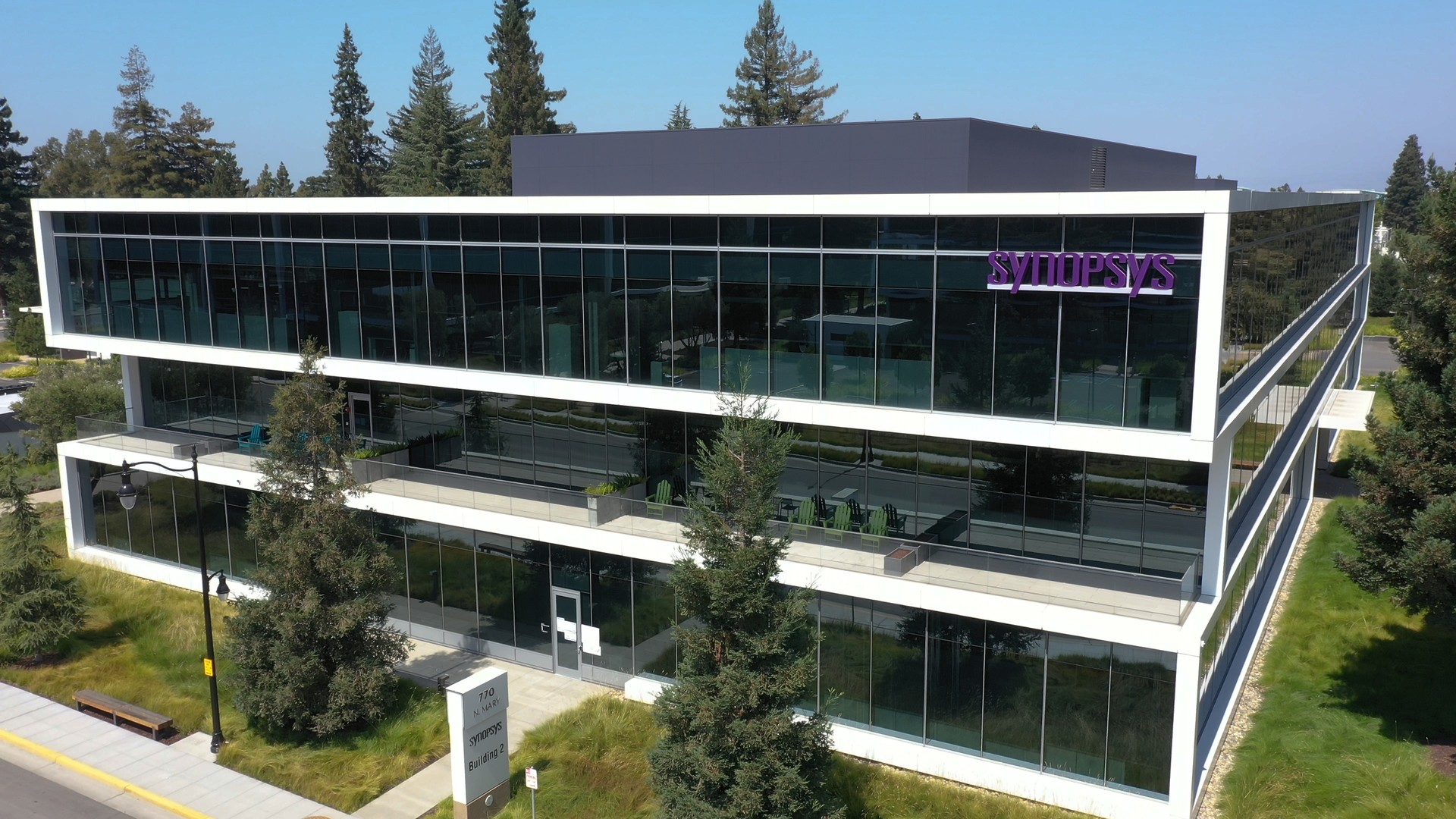
GPT-Synopsys. OpenAI and Synopsys said Wednesday they signed a multi-year agreement to build GPT-Synopsys, a model made to operate Synopsys’ electronic design automation tools, the software used to lay out and verify chips. OpenAI will license those tools to develop the model, the companies said. The model is meant to run the tools, read the results, make changes and iterate for an engineer to review, the release says. It will run on OpenAI-hosted infrastructure and tie into Synopsys.ai and Synopsys Autopilot. The companies said “early technology engagements are underway with leading semiconductor customers,” and named none. They gave no launch date and no price. The agreement includes a “revenue sharing arrangement”; the release does not state the terms.
SynthID Bio. Google DeepMind on Wednesday released SynthID Bio, watermarking methods for AI-designed biology, which it calls a proof of concept. DeepMind says the mark sits in the design itself, guiding the choice of amino acids in protein sequences and adjusting atomic coordinates in predicted 3D structures. In wet-lab tests on three target proteins, VEGF-A, the SARS-CoV-2 spike protein RBD and PD-L1, watermarked designs “matched the hit rate, binding affinity, and natural sequence diversity of unwatermarked versions,” the post says. DeepMind says it also fine-tuned part of AlphaFold 3 so predicted structures carry the mark. It says it is publishing a methods paper, open-sourcing the code and lab data and releasing the weights to researchers, and that making the watermark survive deliberate tampering is still an open problem.
DeepSeek’s Ascend code. DeepSeek on Wednesday published open-source code, under the MIT License, for Huawei’s Ascend chips. Its DeepGEMM-Ascend repository lists an initial release dated Sept. 30 supporting Ascend 950 devices, and DeepEP-Ascend is a communication library for Ascend processors, built on Huawei’s communication stack. Its TileKernels library added Ascend support the same day. The separate TileLang project says it now officially supports Ascend 950 chips.
Evening update
OpenAI has fired three researchers who worked on its safety team over alleged information-sharing, The Wall Street Journal reports
OpenAI has fired three researchers who worked on its safety team over alleged misconduct that included sharing confidential company information with a third-party AI-safety organization, The Wall Street Journal reported Thursday, citing people familiar with the matter. The company recently told some employees about the terminations, according to the Journal. CBS News reported that OpenAI had parted ways with the three, who the company says violated its policies. Its investigation “confirmed that these individuals mishandled sensitive information outside established company procedures,” OpenAI said in a statement reported by CBS News. OpenAI did not say what information was allegedly mishandled or how, according to CBS.
Earlier coverage
- Google said its new Gemini 4 Argon model is going first to “a set of trusted cyber defenders” through its Fairwind Program.
- The FTC is investigating OpenAI, Anthropic and other AI labs over the dangers their technology may pose to consumers, the New York Post reported.
- Trump directed federal agencies to use “Super Intelligence” in place of “artificial intelligence,” his executive order says.
- OpenAI released GPT-6.1 Sol, which it says nearly matches its top model on coding at a fifth of that model’s token prices.
— Lark Pemberton
Edition Oct. 1, 2026 · Archive shelf