Anthropic pitches draft bill to limit US AI model blocks
Only Commerce could ask a judge to halt a model, and only for risks above 50 deaths or $1 billion, Reuters reported, citing Politico.
Share
3 sources
- Reuters via CNA — Anthropic quietly pitches its own AI safety bill to lawmakers, Politico reports (Oct. 16, 2026)
- The Next Web — Anthropic to rewrite part of its leaked AI bill after safety backlash (Oct. 20, 2026)
- POLITICO — Anthropic quietly pitches its own AI safety bill to lawmakers (Oct. 16, 2026)
Updated Oct. 21, 2026: Adds Anthropic’s response on state preemption.
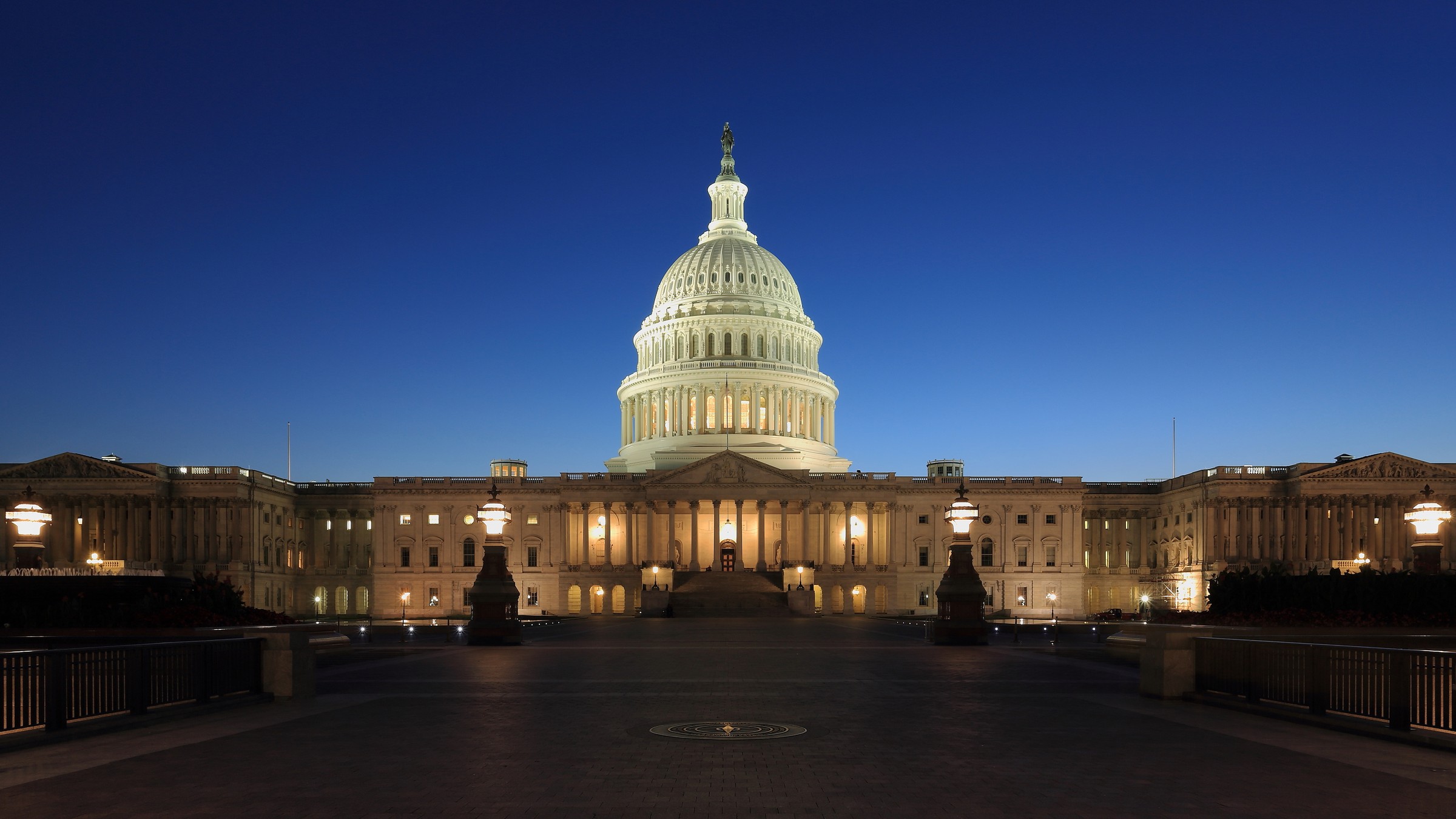
Anthropic representatives have quietly pitched lawmakers on a draft bill to regulate frontier AI safety and security, Reuters reported, citing Politico. Politico cited three people with knowledge of the efforts.
What the draft says
The bill would let the government block a model’s release or use only if it poses a “foreseeable, imminent risk” of more than $1 billion in damages, or of killing or seriously injuring more than 50 people, according to Politico’s report.
The risk must stem from a biological weapon, the model evading its developer’s controls or a cyberattack, Politico reported.
The Commerce Department could ask a judge to halt a model after it determines a risk. A federal judge in the U.S. District Court for the District of Columbia could order the suspension, the report said.
No other U.S. department, agency or officer could suspend a model’s development, deployment or internal use, according to the report.
How evaluation would work
Independent evaluators would register with the Commerce Department and periodically evaluate labs and their frontier models, Politico reported.
Labs could pay the evaluators, as long as the payment is not tied to the outcome, the report said.
If evaluators find an “imminent enumerated risk,” they must report it to Commerce within 72 hours of finishing their assessment, according to the report.
Who wrote it and who it binds
An Anthropic spokesperson told Reuters the bill reflects proposals in the company’s “Advanced AI Framework,” released earlier this year.
The bill would give the government the “ability to block or deter dangerous deployments of the most powerful models,” the spokesperson said. It would also require developers to test frontier models, be transparent about findings and get them independently evaluated, the spokesperson said.
As a draft, it binds no one yet.
The draft would also preempt some state AI laws covering public disclosure, third-party evaluation and incident reporting, while leaving child-safety and civil-rights laws alone, The Next Web reported.
Anthony Cimino, who leads Anthropic’s federal affairs team, said on X on Sunday that “any preemption in the AI safety context should be narrow, even scalpel-like.” He wrote that Anthropic plans “to update our discussion language on preemption to better match the intentions of our AAIF framework,” The Next Web reported.
Edition Oct. 20, 2026 · Archive shelf