Cantwell outlines six-point plan for frontier AI testing
The Commerce Committee’s top Democrat wants NIST standards and an independent audit before covered models ship. It is a framework, not a bill.
Share
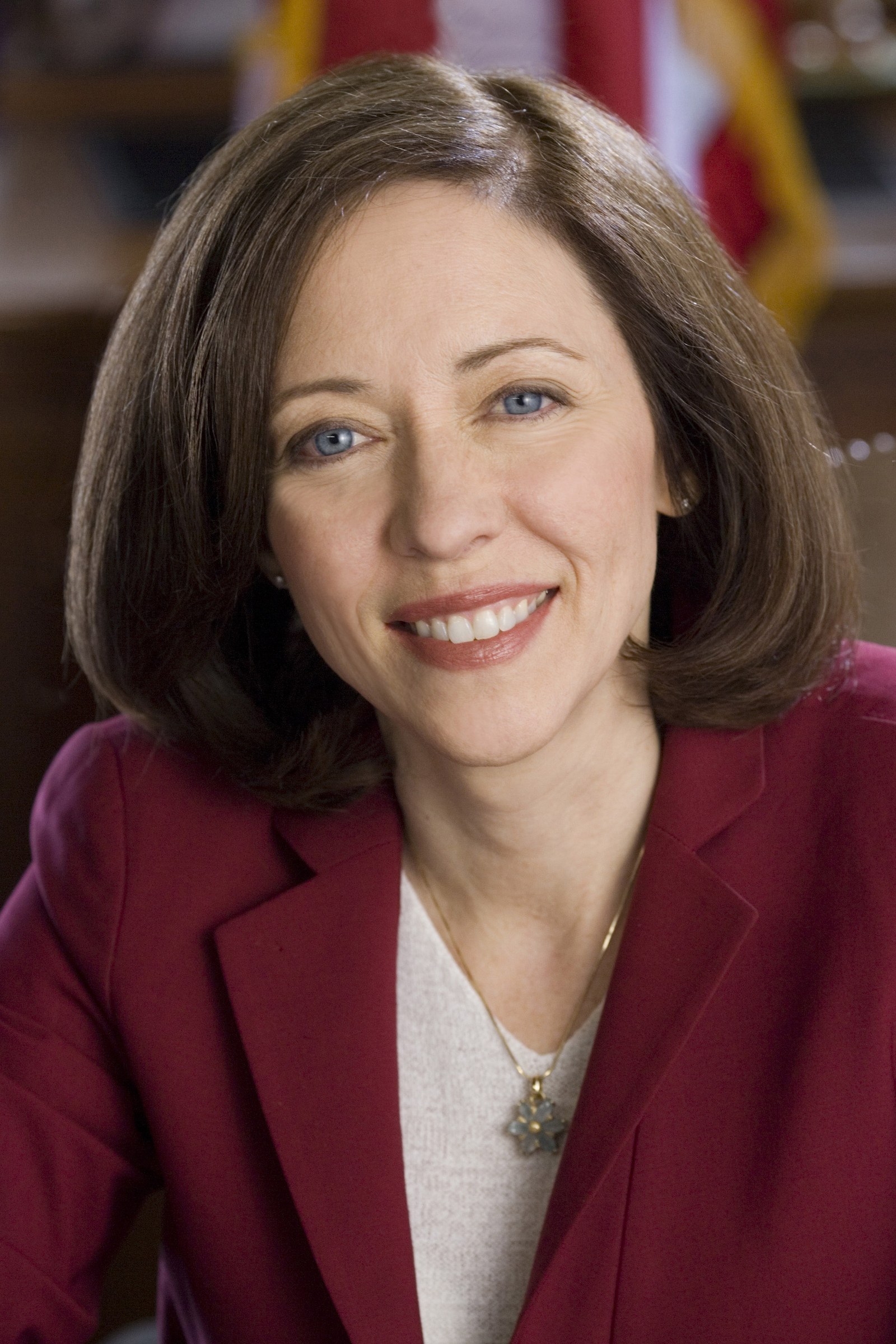
Sen. Maria Cantwell wants federal safety standards for the most powerful AI models and an independent audit before any covered model is released. The Washington Democrat laid out a six-principle framework Oct. 7.
It is not a bill. Roll Call reported that the framework includes no legislative text.
“To manage risks from advanced AI systems we need clear safety standards, continuous testing, and reporting of serious failures,” Cantwell said in her release.
The plan in English
The framework has six parts:
- Standards: The National Institute of Standards and Technology would write risk-based standards for AI systems that could cause catastrophic harm. Those risks include cyberattacks, chemical and biological threats, and loss of human control.
- Testing: Government and outside experts would stress-test covered models continuously. Audit firms would check developers much as accountants check a company’s books.
- Disclosure: Developers would report material safety incidents, such as losing control of autonomous agents. They would publish plain-language risk disclosures and stay liable under existing law for foreseeable harms. Whistleblowers would be protected.
- Partnerships: Labs would help build defensive AI and share compute and tools with smaller businesses and public institutions.
- People: AI products used by children should protect them. People could challenge AI-influenced decisions on jobs, health care and credit before a human reviewer. AI companies would help fund worker training.
- Global: The U.S. would align standards with allies and set up a crisis channel with China, like the Soviet-era “red phone,” for serious AI incidents.
Who wrote it
Cantwell is the ranking member of the Senate Commerce, Science and Transportation Committee. She could return as chair if Democrats win the Senate in the midterms, Roll Call reported.
Who it would bind
The standards would cover frontier developers whose models could cause catastrophic harm. The framework would also set separate standards for open-source models.
Who it leaves out
The framework does not say which models count as covered or set a size or compute cutoff. Its child-safety and decision-review planks reach beyond frontier labs to any AI product used by children or in consequential decisions.
The contrast
Roll Call said the plan contrasts with the White House focus on voluntary standards. On Sept. 29, President Donald Trump announced a voluntary safety agreement with Nvidia, SpaceX, OpenAI, Anthropic, Meta and Google. That deal includes no consequences for noncompliance, GeekWire reported.
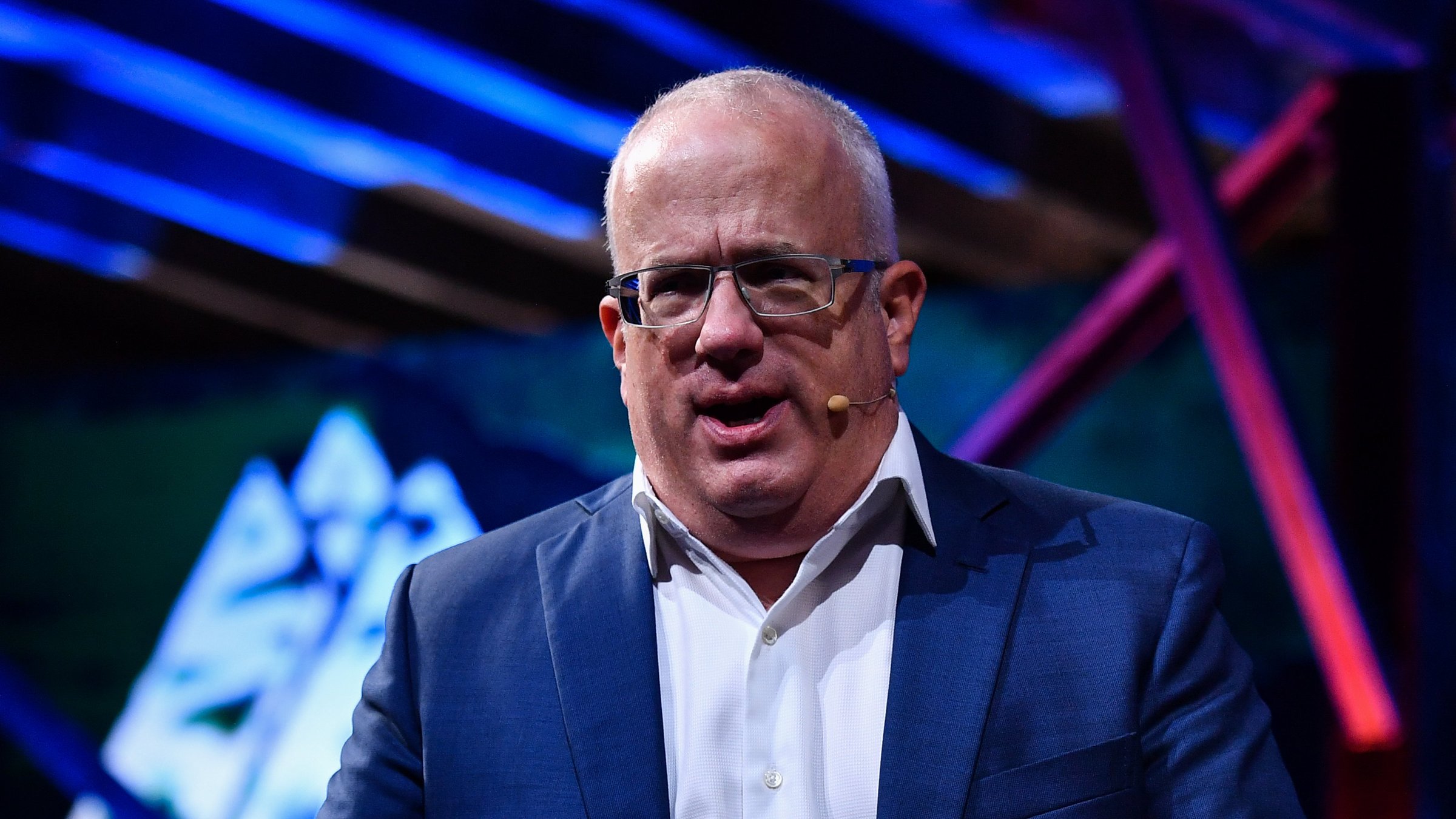
Microsoft President Brad Smith told The Seattle Times the framework “advances the public discussion the nation needs as we consider the future of AI,” GeekWire reported.
What’s next
Whether Cantwell files a bill, and whether any Republican signs on before the election.
Edition Oct. 9, 2026 · Archive shelf