Comer questions Delaware plan for companies run by AI agents
The House Oversight chairman asked Gov. Matt Meyer for records on Delaware’s proposed AI-run company by Nov. 9, his Oct. 26 letter says.
Share
4 sources
- Letter, Rep. James Comer to Delaware Gov. Matt Meyer (Oct. 26, 2026, PDF)
- House Oversight Committee — Comer investigates Delaware initiative to create new artificial intelligence companies (Oct. 26, 2026)
- Delaware General Assembly — House Joint Resolution 7 (153rd General Assembly)
- Bloomberg Law — Delaware’s AI-run company proposal draws congressional scrutiny (Oct. 2026)
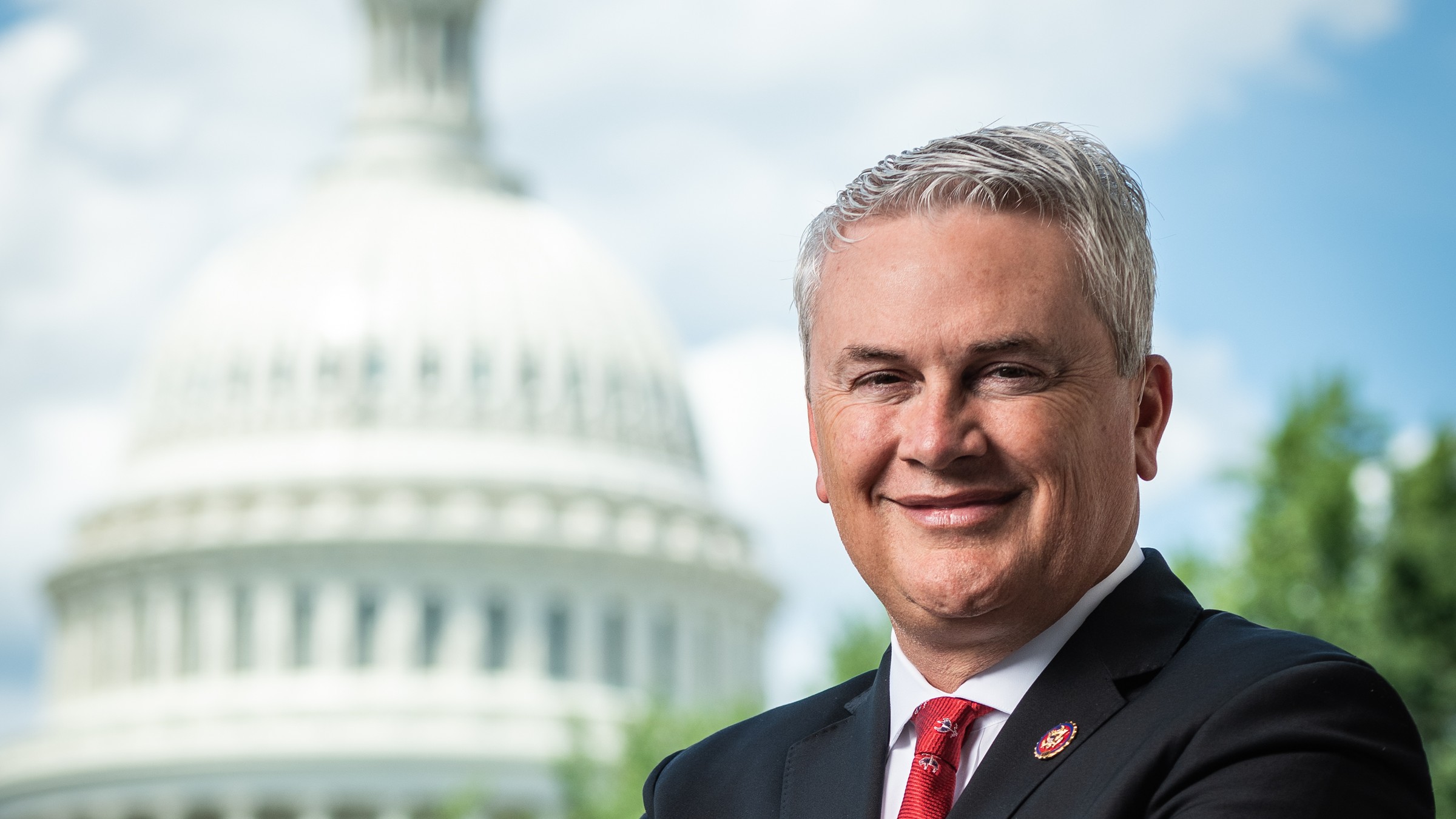
The chairman of the House Oversight Committee wants Delaware’s records on a plan to let AI agents run companies. Rep. James Comer, R-Ky., asked Gov. Matt Meyer for the documents in a letter dated Oct. 26. The committee also issued a press release. The letter is a request for information. It is not a finding of wrongdoing.
The plan in plain English
Delaware is weighing a new kind of business entity. The letter calls it an Artificial Intelligence Company, or AIC. Bloomberg Law reports the state has since renamed it the “agent-managed company.”
An AI agent would run the company day to day, the letter says. The person or firm that funds it would be shielded from liability for harms the AI causes. The letter quotes Delaware’s secretary of state on the exceptions: the shield falls away where the funder “fails to capitalize the company or uses it to commit fraud or a willful violation of law.”
Who wrote it
The effort traces to Delaware House Joint Resolution 7. Meyer signed it July 23, 2025, the letter says. It told the state’s Artificial Intelligence Commission to work with Secretary of State Charuni Patibanda-Sanchez on a “regulatory sandbox” for agentic AI.
A draft 36-page legislative proposal came out in late June 2026, the letter says, citing Spotlight Delaware. It names John Mark Zeberkiewicz, a lawyer at Richards, Layton & Finger, as the “principal drafter.” The letter quotes him: “Anything that a company can do, the AIC can do as a company.”
Who it binds and who it exempts
Its shield protects the human or entity that capitalizes the company, the letter says. That shield would not cover a funder who leaves the company undercapitalized or uses it for fraud or willful lawbreaking.
What the letter asks for
Comer requests four sets of records from Jan. 1, 2025, to now. They are: all documents and communications on AIC policy development, including internal AI chat logs; ethics and consulting agreements with outside contributors; records on safety concerns and efforts to limit AI liability; and all drafts and comments on AIC proposals. The deadline is Nov. 9, 2026. Rep. Robert Garcia, the committee’s ranking member, received a copy.
“We are concerned that Delaware’s AIC proposal could be used to protect powerful AI companies and their investors from responsibility for reckless harmful actions,” Comer wrote.
The letter says the records could “inform possible federal legislative efforts,” including proposals to “appropriately limit state AI regulatory initiatives.”
Jonah Anderson, a deputy press secretary for Meyer, told Bloomberg Law the governor’s office is reviewing the letter.
Our read
Delaware is where most big U.S. companies choose to incorporate. That gives its corporate code reach far beyond the state. A legal form built for AI agents there could become a template others copy. Patibanda-Sanchez has said as much about the stakes, telling Spotlight Delaware a new entity would be “a really huge benefit to our state’s revenues,” the letter notes.
The core dispute is about who pays when an AI agent causes harm. Limited liability is old. What is new is a company with no human manager making daily choices. Delaware officials pitch the form as a way to bring transparency to an AI agent’s decisions, the letter acknowledges. Comer frames the same shield as a possible escape hatch for investors.
The letter also matters for federal-state power. It ties the request to possible federal limits on state AI rules. Corporate law has long been a state matter. A congressional push here would test that line. One law professor, Martin Petrin of York University, told Bloomberg Law that other states will likely follow with similar proposals and that a federal framework could help address safety concerns and a regulatory “race to the bottom.”
What’s next
Delaware’s records are due to the committee by Nov. 9. The draft proposal is “likely to be introduced in the General Assembly next year,” the letter says, quoting Spotlight Delaware.
Edition Oct. 28, 2026 · Archive shelf