Elvis Presley song owners sue Anthropic over 274 songs
A federal complaint in California alleges Anthropic trained Claude on Presley song lyrics without a license and seeks up to $150,000 per song.
Share
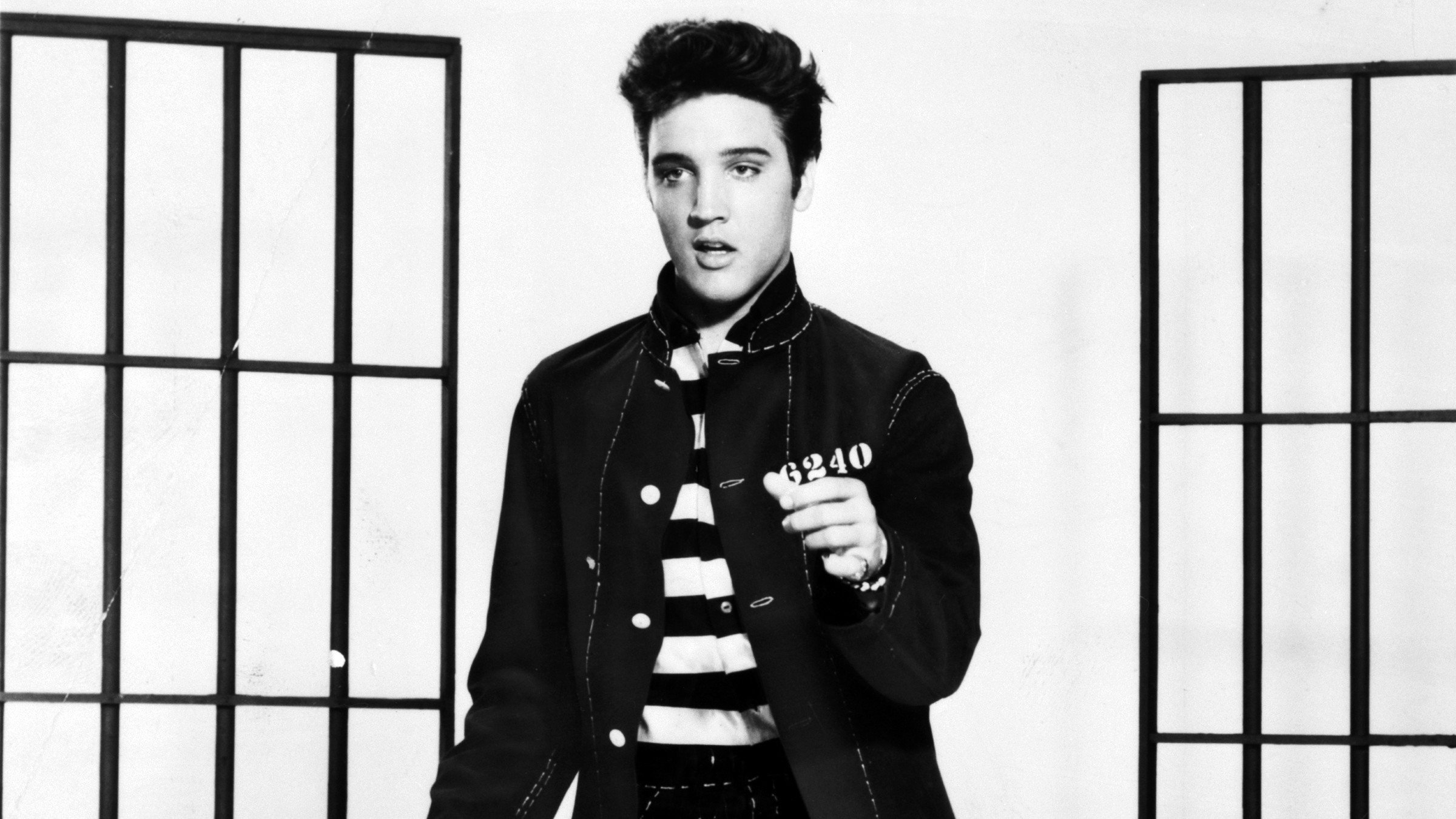
The owners of songs made famous by Elvis Presley have sued Anthropic. They say the AI company copied the lyrics of 274 songs to train its Claude models without a license or payment. The complaint was filed Oct. 23 in U.S. District Court for the Northern District of California. The case number is 5:26-cv-12473. These are allegations. No court has ruled on them.
Anthropic disputes the suit. “We disagree with the claims and intend to defend this case fully,” an Anthropic spokesperson said in a statement to Music Business Worldwide.
Who is suing
The lead plaintiff is ABG EPE IP LLC, a Tennessee company based in New York, the complaint says. Music Business Worldwide reports it is part of Authentic Brands Group, which controls Presley’s name and likeness.
The other plaintiffs are Raleigh Music Publishing LLC and Abilene Music LLC. Jason Simeon Aberbach, a California resident, is also a plaintiff. So are three trusts: the Luigi Creatore Trust, the Susan T. Aberbach Revocable Trust and a trust created under the Anne-Rachel Aberbach Family Trust, each joined by its trustees. The complaint calls the group “The Elvis Plaintiffs.” It says they own or control, in whole and in part, rights to the 274 compositions listed in Exhibit A.
Those works include “All Shook Up,” “Can’t Help Falling in Love,” “Don’t Be Cruel” and “Return To Sender,” the complaint says.
What the complaint alleges
The complaint alleges Anthropic copied the lyrics from datasets including Common Crawl, Books3 and The Pile. It says those sets held lyrics scraped from licensed sites.
It alleges Anthropic removed copyright management information before training. That includes song titles, songwriter credits and publisher details. The complaint says this was meant to keep Claude from reproducing that information in its answers.
It also alleges Claude produces the lyrics when users ask for them by title. The complaint says the model writes songs “in the style of” artists in the catalog as well.
The filing alleges Anthropic knew the model could do this. It says Anthropic co-founder Tom Brown asked Claude for the lyrics to a Bob Dylan song shortly before the public release. It also cites past statements by CEO Dario Amodei.
What the plaintiffs want
The suit makes three claims. The first is direct copyright infringement. The plaintiffs seek actual damages and profits or, instead, statutory damages of up to $150,000 per work. For 274 works, the complaint puts that at $41.1 million.
The second claim says Anthropic got around logins, paywalls and bot-detection tools under the Digital Millennium Copyright Act. It seeks up to $2,500 per violation, or $685,000. The third covers the removal of copyright management information. It seeks up to $25,000 per violation, or $6.85 million.
The civil cover sheet lists a total demand of $48,635,000. Music Business Worldwide reported the sum as just over $48.6 million.
The plaintiffs also want a permanent injunction. They ask the court to order unauthorized copies handed over for impoundment or destruction. That includes copies in “training datasets, internal repositories, model weights, and server infrastructure,” the complaint says. They demand a jury trial.
Our read
The dollar figure is not the biggest risk here. The impoundment demand is. Model weights are the trained model itself. If a court read the request broadly, it would reach Claude, not just a folder of lyrics. U.S. courts have not yet settled whether copied works survive inside weights in a form the law treats as a copy. This suit asks that question directly.
The DMCA counts are also worth watching. They tie damages to how the data was gathered and handled, not only to what the model outputs. That could make the case less about fair use and more about scraping and stripped credits.
Anthropic has a clear defense posture. It says it disagrees and will fight. The plaintiffs must still prove the lyrics were in the training data and that the copying caused harm. The complaint leans on “information and belief” for key steps. Discovery will test those claims.
What’s next
The case is in the Northern District of California, where the plaintiffs filed Oct. 23. The complaint asks for a jury trial, according to the filing.
Edition Oct. 27, 2026 · Archive shelf