House passes Ratepayer Protection Act on data centers, 417-3
States would weigh making data centers of 100 megawatts or more pay the full added cost of serving them, the bill says.
Share
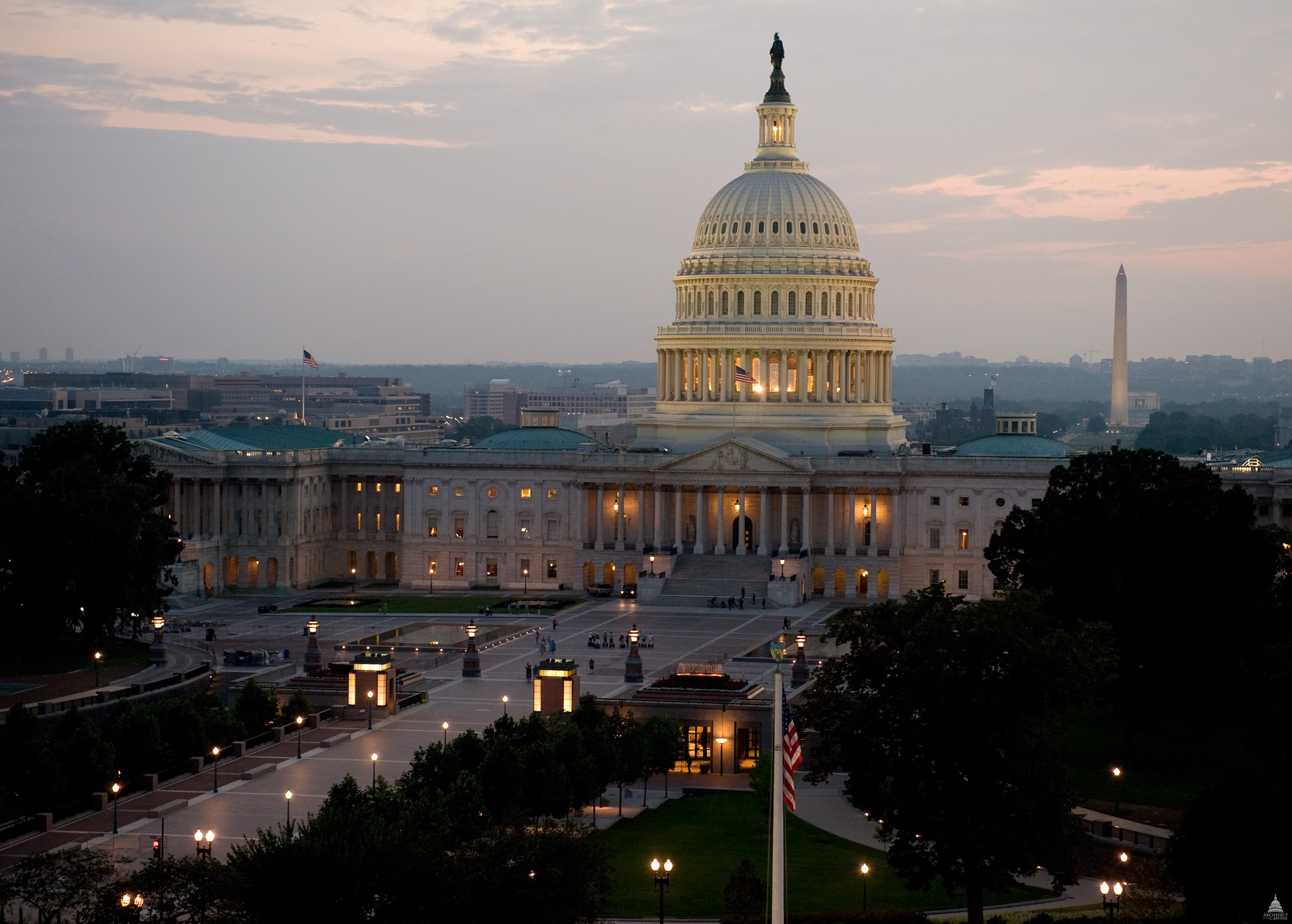
WASHINGTON — On Sept. 16, 2026, the House passed H.R. 9340, the Ratepayer Protection Act, 417–3. The bill would amend the Public Utility Regulatory Policies Act of 1978 so state commissions must consider a federal standard: large data-center loads of 100 megawatts or more pay the full incremental cost of the generation, transmission, and distribution upgrades needed to serve them.
AI compute is hitting the retail power bill. Congress’s House answer is a PURPA “consider” standard aimed at ≥100 MW information-technology / data-storage / computational loads — not a ban on data centers.
The rule in English
Short title. Ratepayer Protection Act (H.R. 9340). Sponsors: Rep. Gabe Evans (R-Colo.) and Rep. Kathy Castor (D-Fla.); Energy & Commerce leadership (Guthrie, Latta) backed passage.
Large-load customer. A non-residential consumer that, on or after enactment, contracts for electric service for one or more facilities that (i) use power primarily for information-technology infrastructure and related systems for data storage and computational applications/services, and (ii) have aggregate peak demand of 100 MW or more at a single site or campus.
Cost recovery. Rates for that customer must be designed to recover from it the full, incremental cost of any generation, transmission, or distribution upgrade necessary to serve its load — including if the customer terminates or stops buying power.
Up-front money. Before making such an upgrade, the utility must require financial assurances or contributions covering the upgrade cost.
State clock. Under PURPA Sec. 112 conforming amendments: state regulatory authorities and nonregulated utilities commence consideration within 1 year of enactment and complete consideration/determination within 2 years. Prior state implementation, a prior proceeding, or a state legislature vote on a comparable standard can exempt a utility from the new clock.
What it is not. Not yet law. Not a Senate-passed bill. Not a FERC tariff rewrite by itself — it is a federal standard states must consider under PURPA Sec. 111(d), preserving state ratemaking while leaning on what Energy & Commerce says 24 states are already doing.
Who wrote it / who it binds
Writers: House sponsors Evans/Castor; House passage Sept. 16. If enacted, it binds state commissions and covered utilities to the consider-and-determine process, and points rate design at covered large-load customers. It does not bind hyperscalers until state action implements a comparable standard in rates.
Who it exempts
Loads under 100 MW peak at a site/campus. Residential customers. Utilities in states that already implemented or formally considered a comparable standard before the new subsection’s enactment date. Existing contracts entered before the definition’s effective trigger still matter for counsel — the text keys off requests/agreements on or after enactment for the defined facilities.
What a founder, parent, or worker should do differently
Data-center developers: price in full incremental grid upgrades and pre-upgrade financial assurances if you sit at ≥100 MW IT/compute load — Senate passage would make this the federal nudge everywhere.
Parents and small businesses: this is the House’s answer to “who pays for AI power.” Your bill does not change until your state commission acts (or has already acted).
Founders chasing cheap stranded power: state flexibility remains; shop jurisdictions that already run large-load standards.
What’s next
- Senate referral and timing; Latta urged swift Senate action.
- White House sign/veto posture if it clears.
- Which states claim “prior action” exemptions.
- Whether 100 MW is gamed via multi-site splits under 100 MW each.
Sources: H.R. 9340 text (House docs); Energy & Commerce release on 417–3 passage.
Edition Sept. 17, 2026 · Archive shelf