Newsom signs seven data-center bills on power, water, land
The package adds reporting and cost rules on electricity and water and limits environmental fast-tracking, the governor says.
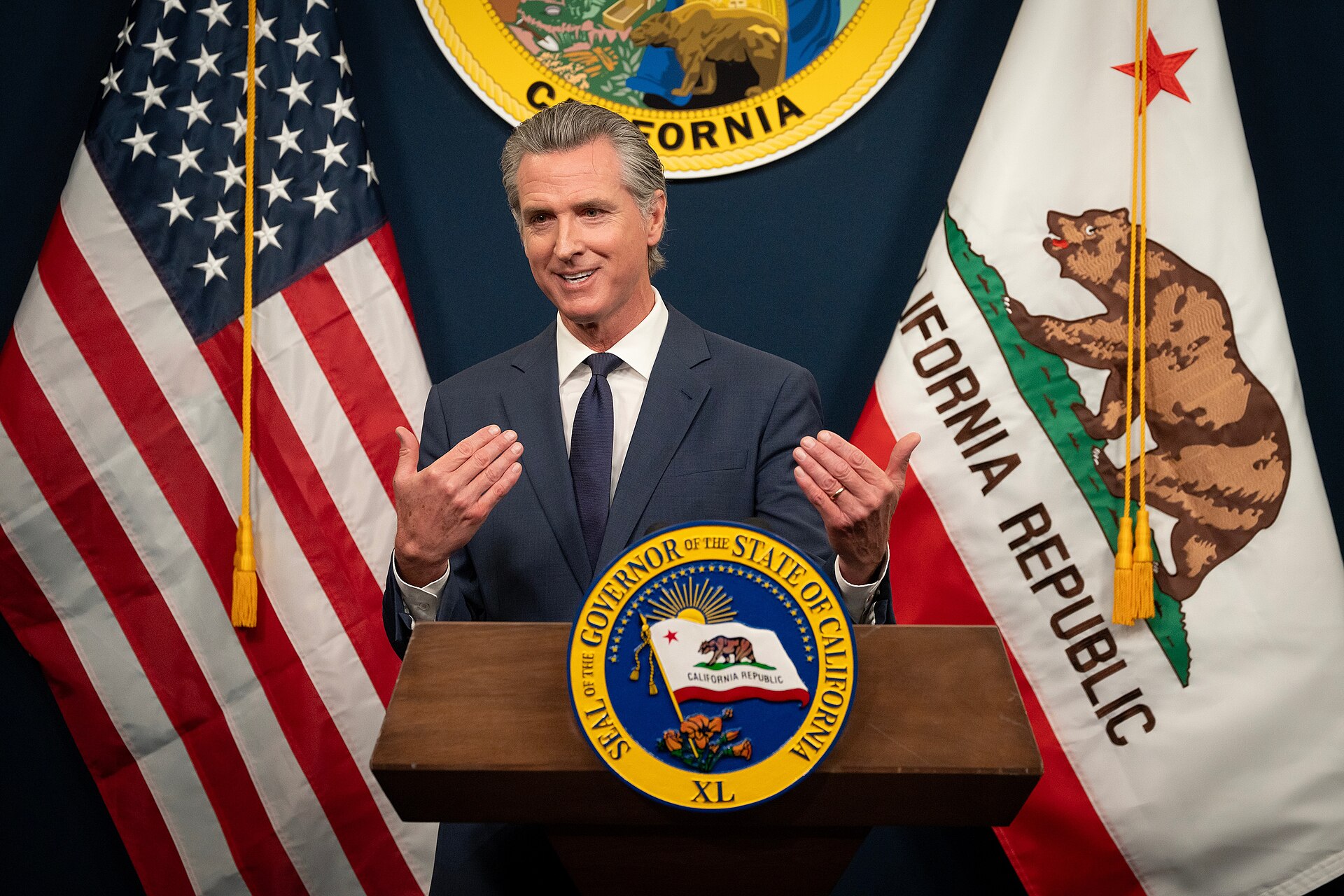
SACRAMENTO — On Sept. 21, 2026, Gov. Gavin Newsom signed seven bills he called the nation’s most comprehensive data-center package: reporting and cost rules on electricity and water, plus land-use limits on environmental streamlining. The package is aimed at communities facing AI-era compute buildout — not at frontier-model kill switches.
Hyperscale facilities need power, water, and land. California is writing disclosure and cost-shift rules so ratepayers and local suppliers see the bill before the campus goes live.
The rule in English
Electricity. Make data centers pay their fair share of grid upgrade costs; prevent cost shifts to low-income customers; require compliance with California energy procurement rules; bring new clean energy supply onto the grid; pay for upgrade costs (per Governor’s office summary).
Water. Proposed data centers must give local governments and water suppliers information on water use, supply, efficiency, and drought planning; upgrades needed to supply water paid by the data center.
Land use. Data centers ineligible for blanket environmental exemptions; before judicial streamlining, projects must show they will not shift costs to ratepayers and will meet state standards on energy, water, and fuel consumption.
Bills signed (Governor’s list).
- AB 1577 (Bauer-Kahan) — Data centers: reporting
- AB 2383 (Zbur) — Electricity: data centers
- AB 2469 (Papan) — Data centers: water use disclosures
- AB 2619 (Papan) — Water resources: data center
- SB 886 (Padilla / McNerney) — California Technology Innovation and Ratepayer Protection Act
- SB 887 (Padilla) — CEQA: environmental leadership development projects: data centers: geothermal power plant projects
- SB 1168 (McNerney) — Data centers: rate structures
Contrast. Sep 18 EO N-9-26 accelerated independent AI-oversight statutes and ordered kill-switch recommendations for frontier models (prior coverage). This package is bricks-and-pipes regulation of data centers’ power, water, and permitting — a separate issue.
Who wrote it / who it binds
Writers: California Legislature + Newsom signature. Binds covered data-center developers, utilities, water suppliers, and local governments under each bill’s operative text once chaptered/effective. Does not bind other states or Congress.
Who it exempts
Facilities outside each bill’s definitions/thresholds (confirm in chaptered text). Non-data-center loads. Federal siting on non-state land remains a separate fight.
What a founder, parent, or worker should do differently
Data-center developers in CA: price full incremental grid and water upgrades, disclosure packs to locals, and no blanket CEQA shortcut.
Parents and workers near proposed campuses: more formal information channels on power/water/land before approvals — not a ban.
Hyperscalers shopping states: California just raised the transparency and cost-bearing bar relative to “build first, argue later.”
What’s next
- Effective dates and implementing regs for each bill.
- Interaction with House-passed Ratepayer Protection Act (H.R. 9340, prior coverage) if that clears the Senate — federal PURPA “consider” vs. California’s signed package.
- First local denial or lawsuit citing the new disclosure/CEQA limits.
- Whether “fair share” rate structures in SB 1168 / SB 886 match the ≥100 MW large-load idea in federal text or cut differently.
Source: Governor’s release, Sept. 21, 2026.
Edition Sept. 22, 2026 · Archive shelf