OpenAI backs FRONTIER Act plan for independent safety checks
The bipartisan House bill would let outside verifiers into AI companies to assess model safety, OpenAI says.
Share
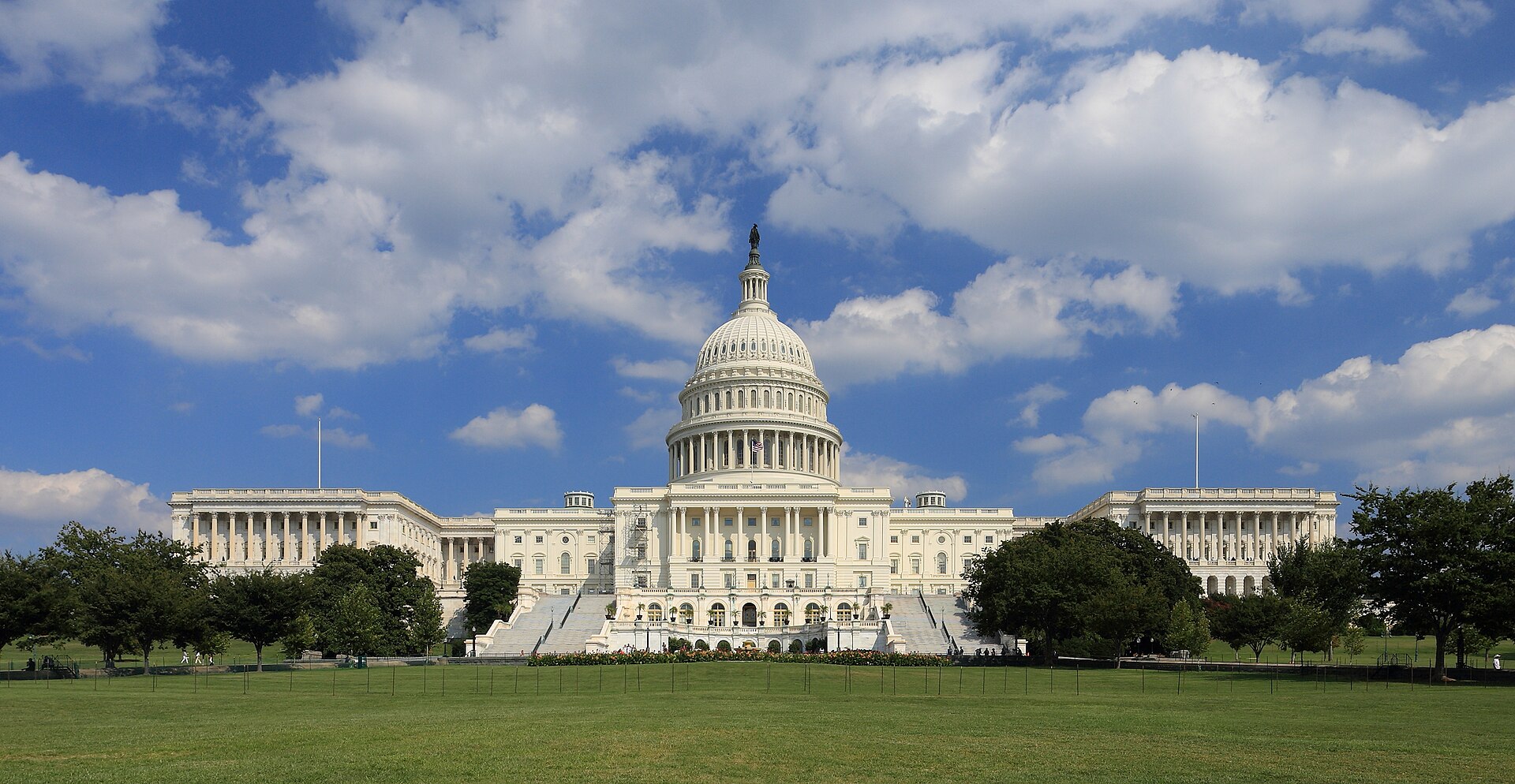
WASHINGTON — On Sept. 15, 2026, OpenAI said it backs a key provision of the bipartisan FRONTIER Act (H.R. 9925) that would require leading AI companies to allow independent verification organizations into their shops to assess model safety. Chris Lehane raised the provision with lawmakers in Washington the same day, per contemporaneous coverage; a company spokesperson confirmed the endorsement to Reuters.
This is statute endorsement, not a lab pledge. A voluntary embedded-evaluator promise is company speech. A House bill would make independent verification a federal duty for covered frontier developers — if it passes.
The rule in English
Bill. Frontier Risk Oversight, National Transparency, Independent Evaluation, and Reporting Act — H.R. 9925, Reps. Jay Obernolte (R-Calif.) and Lori Trahan (D-Mass.), plus listed cosponsors; referred to Energy and Commerce and Science, Space, and Technology.
OpenAI’s stated support. The company backs the provision requiring top frontier labs to work with “independent verification organizations” (IVOs) / independent evaluators to assess safety practices and catastrophic-risk mitigation. Secondary outlets report the bill also contemplates model cards, risk-management frameworks, and critical safety-incident reporting. OpenAI has not, per CBS/Washington Examiner accounts of the spokesperson, endorsed every line of the bill.
Threshold. Coverage says the IVO duty would apply only to companies meeting high capability/resource thresholds — not startups far from the frontier.
Contrast. Our Sep 15 coverage covered Anthropic’s unilateral pledge and Altman’s match as voluntary lab rules. This piece is the federal-mandate ask OpenAI is now publicly attaching to that same verification idea.
Who wrote it / who it binds
Writers of the bill: House sponsors Obernolte and Trahan. Endorser of the IVO provision: OpenAI (Lehane / spokesperson). If enacted, it would bind covered frontier developers under federal law. It does not bind anyone today. It does not create IVO status for METR or any named auditor until regulations and designations exist.
Who it exempts
Non-frontier developers under the bill’s thresholds (as described in coverage — confirm text). OpenAI’s own framing in its Sept. 9 policy post: frontier safety rules should hit the handful of well-resourced labs, not startups or researchers “nowhere near the frontier,” and should not become open-weights policy by another name.
What a founder, parent, or worker should do differently
Frontier founders: treat OpenAI’s IVO endorsement as industry pressure toward a federal audit regime — compliance planning starts with whether you will meet the capability triggers.
Startups: watch the threshold language; OpenAI says it wants you out.
Parents and workers: no app-store or school rule changes until enactment and agency rules.
What’s next
- Committee markups; whether Speaker Johnson’s self-regulate line blocks floor time.
- Whether Anthropic, Google, and Nvidia publicly endorse or oppose the same IVO mandate.
- Interaction with California SB 813 / AB 1405 auditor infrastructure OpenAI already backed at the state level.
- Whether “key provision” support expands to full-bill endorsement.
Sources: OpenAI / Lehane policy window, Sept. 9, 2026; Reuters on OpenAI bill endorsements, Sept. 15; H.R. 9925 on Congress.gov.
Edition Sept. 16, 2026 · Archive shelf