Judge lets NAACP suit over xAI’s Colossus power plant proceed
A federal judge in Mississippi denied xAI’s bid to dismiss a Clean Air Act case over the gas turbines that power its Memphis-area Colossus 2 data center.
Share
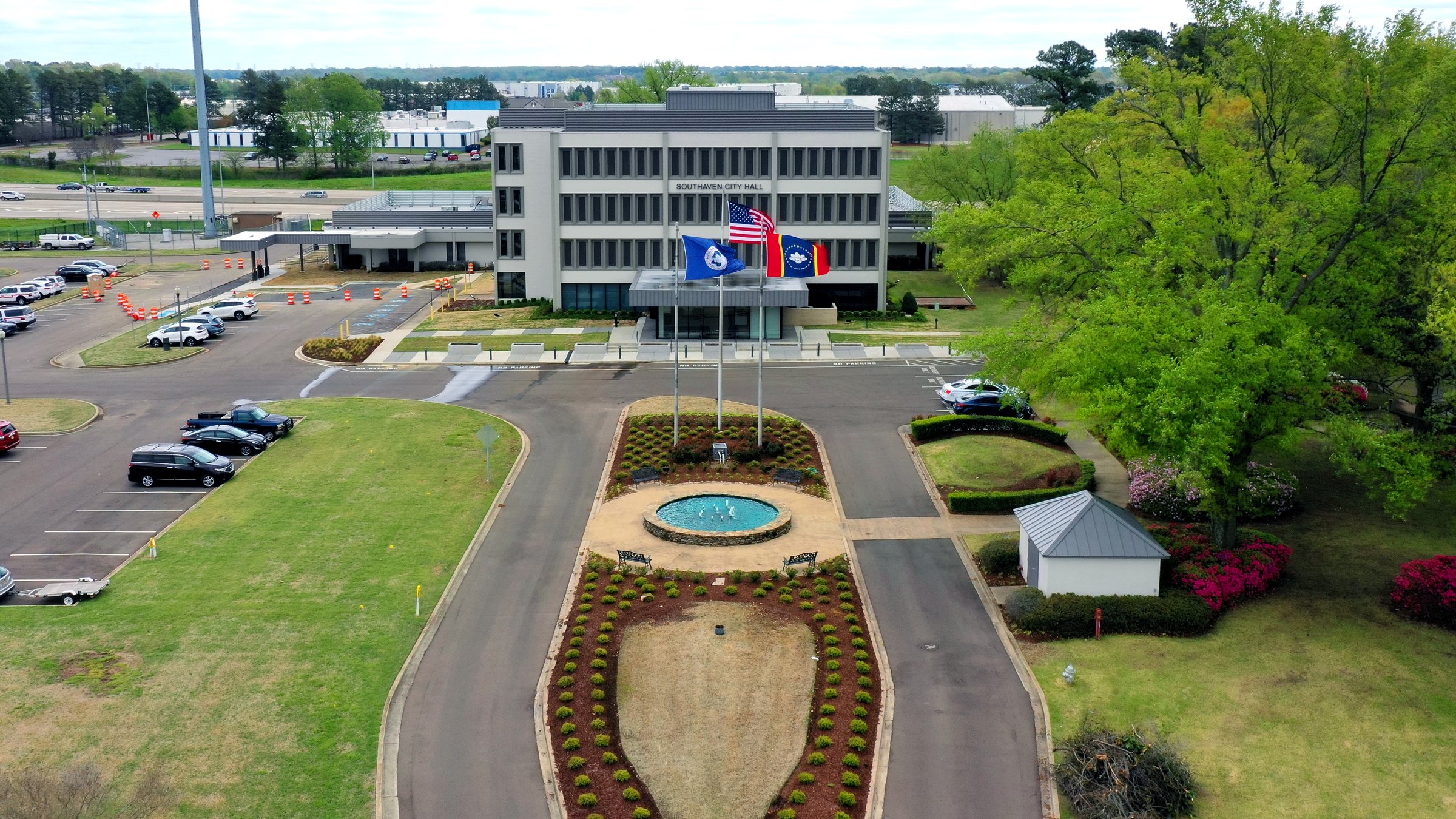
A federal judge in Mississippi has refused to throw out a Clean Air Act lawsuit against xAI over the gas turbines that power its Colossus 2 data center.
U.S. District Judge Debra M. Brown denied the company’s motion to dismiss on Oct. 30, according to the court’s opinion and order. All of the plaintiffs’ claims go forward. “The plaintiffs’ claims will proceed,” the order says.
The ruling
The National Association for the Advancement of Colored People and its Mississippi State Conference sued X.AI Corp. and its subsidiary MZX Tech LLC on April 14. They say the companies built and ran the Colossus Gas Plant in Southaven, Miss., without the permits the law requires. The plant supplies power to xAI’s Colossus 2 data center in Memphis, Tenn., the complaint says, as the order recounts it.
xAI made three arguments. The judge rejected each one.
First, xAI argued the NAACP could not sue for its members because the law lets a person sue only “on his own behalf.” The court disagreed and found the groups have statutory standing.
Second, xAI said its trailer-mounted turbines were “mobile sources” exempt from permits. The state Department of Environmental Quality had told the company in a July 2025 letter that it read them that way. The judge held that the turbines are stationary combustion turbines under federal rules that Mississippi’s plan adopts. “The Plant was not (and is not) exempted from permitting requirements,” she wrote. The state letter does not bind the court, she added.
Third, xAI argued that citizen suits unconstitutionally hand executive power to private parties. The court said citizen plaintiffs “are not exercising the federal government’s executive power.”
The ruling is not a finding that xAI broke the law. At this stage the court must accept the complaint’s facts as true.
The numbers
The complaint counts at least 27 turbines with at least 495 megawatts of capacity, the order says. It puts their potential emissions at about 1,700 tons of nitrogen oxides a year. The plaintiffs seek a civil penalty of up to $124,426 per day per violation.
Earthjustice, which represents the NAACP with the Southern Environmental Law Center, gives higher figures. It says the turbines can emit more than 5,000 tons of nitrogen oxides, 400 tons of fine particulate matter and 47 tons of formaldehyde a year.
Who it binds
The order binds only this case. But her reading of Mississippi’s plan, that trailer-mounted turbines like these are not exempt mobile sources, is one other challengers can cite. She also rejected the constitutional attack on citizen suits, an argument that, if it had won, would reach far beyond xAI.
Our read
This is a ruling on who can sue and what the rules say. It is not a verdict. But it matters for anyone building AI data centers fast. The playbook of trailer turbines first and permits later now faces a real court test. The judge’s reading turns on a chain of federal cross-references, and xAI has a fair point that it relied on a written state letter. The judge herself said the state agency “fairly notified” the company of its view. But the court said that notice would shield xAI only if the state itself tried to enforce, not in a suit brought by citizens. Builders face a real shortfall in grid power, which is why on-site gas is attractive. Regulators, not just companies, own part of this mess. A state agency blessed the setup, and a federal court now says the agency read its own plan wrong. Neighbors deserve clear rules. So do builders.
What’s next
The case moves toward the merits. Earthjustice says the court has not yet ruled on the NAACP’s motion for a preliminary injunction. It also says the court earlier denied a similar motion from the U.S. Department of Justice.
Sources: Opinion and Order, NAACP v. X.AI Corp., No. 3:26-cv-74 (N.D. Miss.), Doc. 139; Earthjustice press release, Oct. 30, 2026
Edition Nov. 2, 2026 · Archive shelf