Aramco closes $2.6 billion deal for 49% of AI firm Humain
Aramco and PIF said Aramco now owns 49% of Humain for about $2.6 billion in cash plus AI assets, as the Saudi company targets 3 gigawatts of data centers.
Share
Saudi Aramco now owns 49% of Humain, the kingdom’s state-backed artificial intelligence company, after paying about SAR 9.9 billion ($2.6 billion) in cash and handing over AI assets, Aramco and the Public Investment Fund said Sunday. PIF keeps the other 51%.
The two state-linked investors announced the closing in a joint release from Dhahran on Nov. 1, also carried by the Saudi Press Agency. Aramco took the stake through a wholly owned subsidiary, according to the release. The cash is to be contributed in 2026, “in addition to AI, compute, and digital assets,” the companies said. They did not put a value on those assets or on Humain as a whole.
What’s driving it
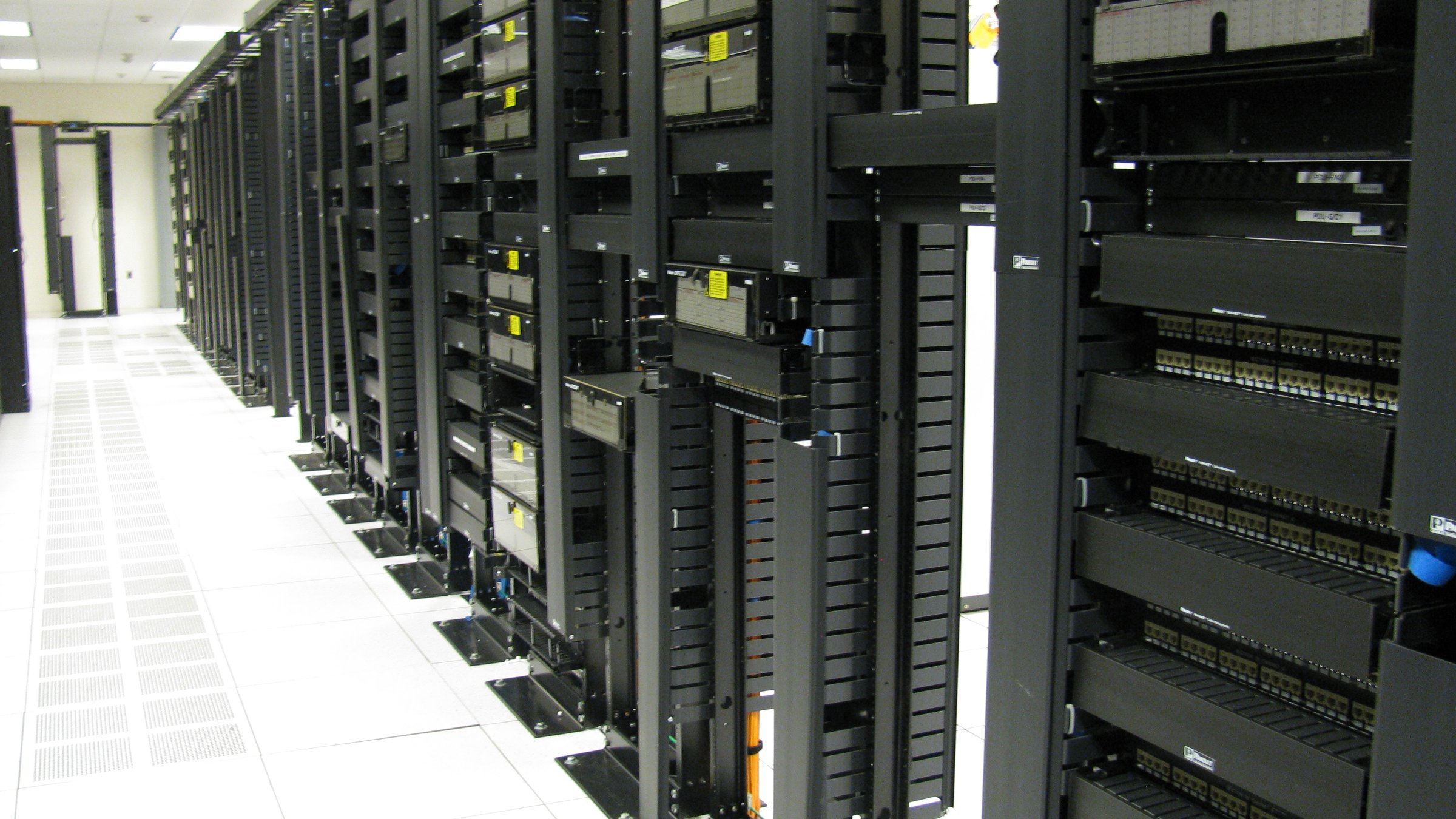
Humain, launched in May 2025, is building what the release calls full-stack AI: data centers, cloud and compute infrastructure, AI models including ALLaM, an Arabic large language model, and AI solutions. The company plans to deploy 3 gigawatts of AI data center capacity by 2030, with “the aim of becoming one of the leading exporters of AI globally,” according to the release.
For Aramco, the pitch is about using that infrastructure in its own business. The release says Aramco expects to “translate advanced AI capabilities into industrial applications” and to improve its “monetization of existing AI and digital assets.”
Aramco President and CEO Amin H. Nasser said the deal was “very important to Aramco.” He said that since 2023, “Aramco has achieved $11.3 billion in Technology Realized Value, with a significant portion coming from AI solutions.” That figure is Aramco’s own measure; the release does not explain how it is calculated.
Our read
This deal moves money and assets between two arms of the same state, but it still matters. Saudi Arabia is putting the AI businesses of its oil company and its sovereign fund under one roof, and backing that company with Aramco’s cash. That is a clear bet that compute capacity can become an export business, the way oil has been. It is similar to other governments taking direct stakes in national AI companies, such as Canada’s planned investment in Cohere, though here both owners are state entities. The release is strong on ambition and short on detail. It gives no valuation, no list of the assets Aramco transferred, and no timeline for the 3 gigawatts beyond 2030. That target is the number readers should hold Humain to. Building that much capacity depends on chips, power and customers, and none of those is spelled out in the announcement.
Who has a stake
PIF, which keeps control with 51%, said the deal fits its 2026–2030 strategy. Yazeed A. Al-Humied, PIF’s deputy governor and head of Middle East and North Africa investments, said bringing the two AI portfolios together “creates a powerful synergy that fuels talent growth, technological advancement, and intellectual property creation.” Aramco gets a 49% stake and, according to the release, will benefit “as a shareholder and strategic partner” from Humain’s infrastructure and services. Humain’s future customers in the public and private sectors are the other group with a stake.
What’s next
The companies said the deal will help Humain expand its data center capacity by 2030 and help public and private sectors “deploy AI at scale.” Aramco’s cash contribution is due during 2026. Watch for Humain to name sites, chip suppliers and customers for its 3-gigawatt plan, and for Aramco to report the deal in its financial results.
Sources: Aramco and PIF closing release (Nov. 1, 2026); Saudi Press Agency (Nov. 1, 2026).
Edition Nov. 2, 2026 · Archive shelf