Alibaba DAMO publishes RADAR abdominal CT model in Science
The generalist model covers 18 anatomical structures and 146 findings in abdominal CT scans, according to the Science paper and AAAS.
Share
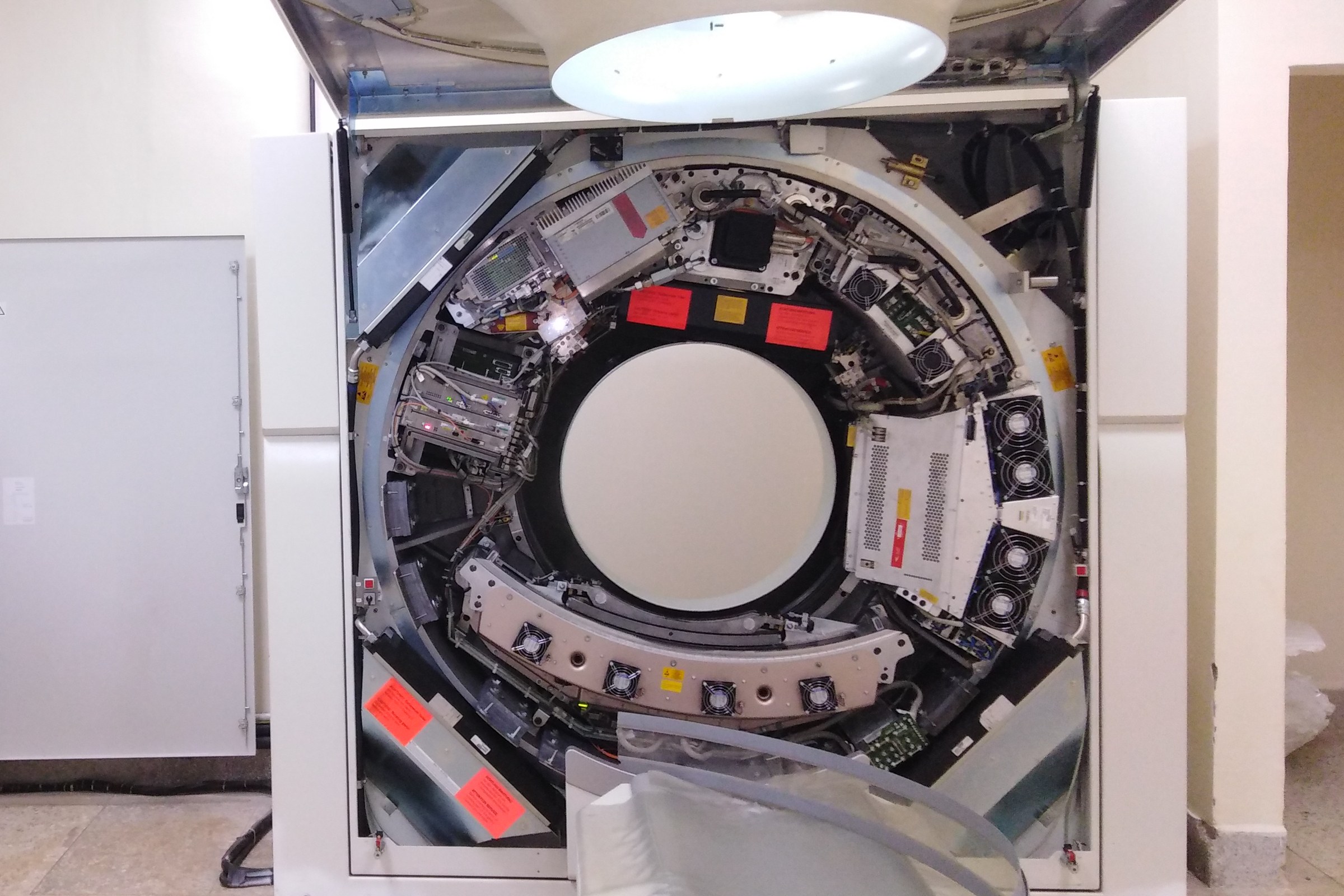
Alibaba’s DAMO Academy and hospital partners published RADAR (Rapid Abdominal Diagnosis with AI and Radiology), a generalist vision-language model for contrast-enhanced abdominal CT, in Science (Sep 17). The product event is a medical imaging model that covers 18 anatomical structures and 146 findings in one system, trained from clinical reports rather than hand-labeled single-disease datasets.
What it does: Trained on 424,911 contrast-enhanced abdominal CT exams with millions of image–text / anatomy-specific pairs. AAAS SciPak: mean AUC 0.913 across the 146 findings; AUC 0.895 at eight external centers; emergency-setting AUC 0.904 on >27,000 cases without emergency-specific training. Best competing vision-language model cited at 0.776 mean AUC. Reader-study framing in coverage: assistance lifted radiologist sensitivity ~10% and cut read time ~30%.
What shipped for people who touch it: The code is now public on GitHub at alibaba-damo-academy/damo-radar, and the model checkpoints are on Hugging Face and ModelScope. The repo and the Hugging Face model card list the license as CC BY-NC-SA 4.0, which bars commercial use. Both say the model “is currently intended for research purposes only” and needs prospective clinical studies before clinical deployment. This is a research release for hospitals and labs, not a consumer ChatGPT-style app.
Limits: Abdominal contrast CT only in this paper. Not a guarantee of bedside deployment, regulatory clearance, or commercial reuse. Model-vs-radiologist headlines need the study’s exact protocol.
Who it is for: Radiology researchers and health systems evaluating generalist CT assistance — not patients self-diagnosing.
Risk: Diagnostic AI that “beats radiologists” is a liability and workflow product. Missed findings, domain shift across scanners, and unlicensed commercial use are the failure modes. Treat AUC tables as study results under authors’ conditions.
What’s next: Any FDA/NMPA path, prospective clinical studies, and independent external replications.
Source: AAAS / EurekAlert SciPak, Sep 17, 2026; Science peer-reviewed package (Zhang et al.); GitHub repo; Hugging Face model card.
— Rowan Keel
Edition Sept. 21, 2026 · Archive shelf