FAA starts limited SMART AI rollout for D.C. air traffic
The AI-supported scheduling tool went into limited use around Washington on Sept. 21, the FAA says.
Share
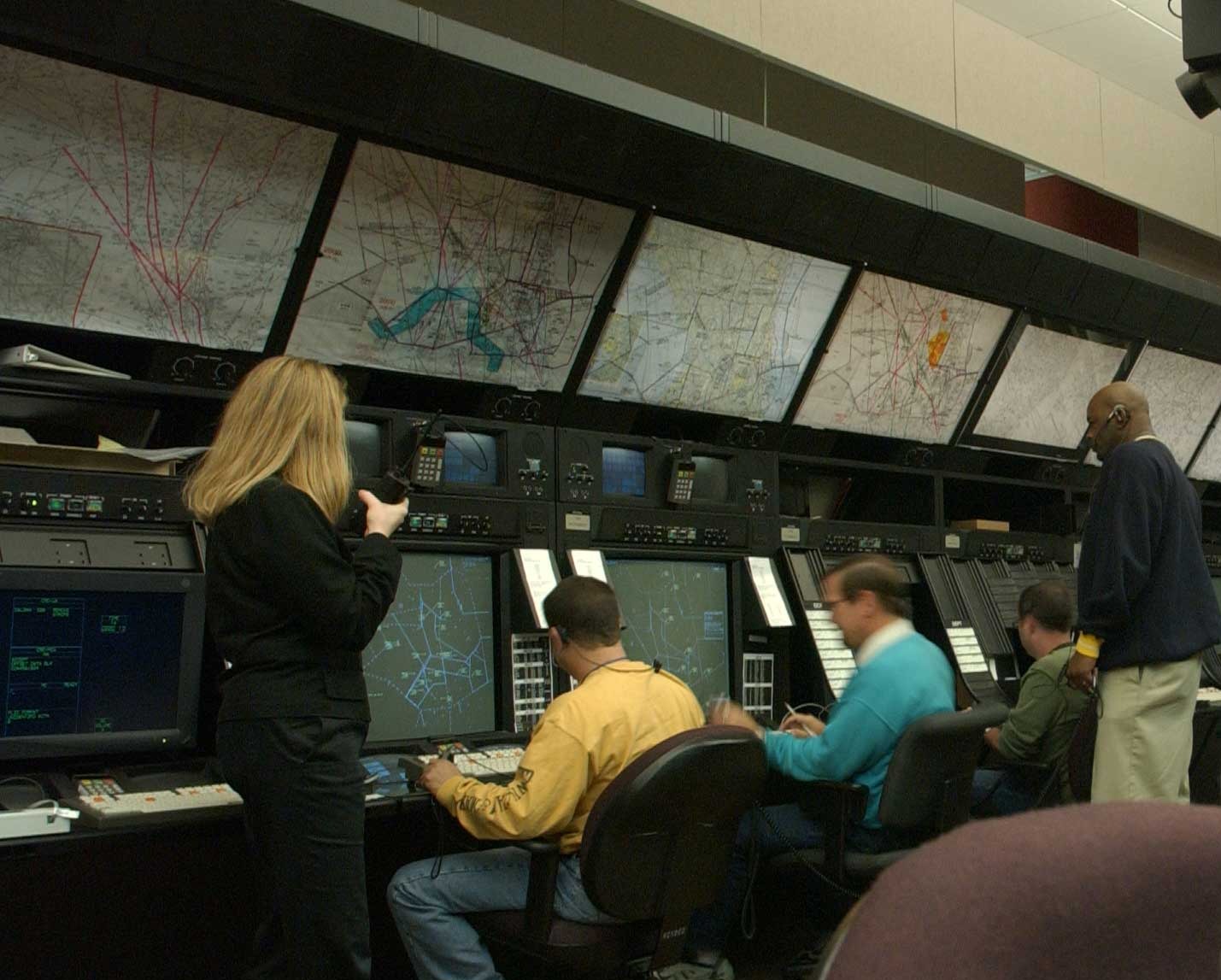
The FAA and USDOT put SMART — Strategic Management of Airspace, Routes and Trajectories — into limited use in the airspace around Washington, D.C. on Sep 21. It is an AI-supported scheduling / flow tool, not autopilot for controllers or aircraft.
What it does: Pulls about 200 data streams (weather, flight paths, traffic flow, controller staffing) into one platform. An AI engine synthesizes that into a visualization of where planes are headed, how much traffic the system can take, and where weather or congestion will bite. Specialists get forward looks — hours, days, even weeks — and recommendations to fix problems before they stack. Local facility leadership can accept or pass on those suggestions; FAA staff review recommendations.
What it cannot: Replace air traffic controllers or take control of an aircraft. FAA text is explicit: human review stays in the loop.
Where / next: Limited mode starts in the National Capital Region; staged expansion “over the next few months,” then gradually elsewhere. USDOT/FAA partnered with ASI on a center to support that rollout. Separately, the agency continues a larger $12.5B ATC hardware push (radios, radar, electronic strips) tracked toward end-2028 under Modern Skies — different workstream from SMART day one.
Who for: Controllers and FAA traffic-management specialists first; travelers feel it only if delays and cancellations actually fall. Airlines (United, Delta, American, Southwest) and Airlines for America publicly backed the initiative.
Risks: Predictive flow tools can still bad-route or over-trust a model under novel weather or staffing stress. Day-one limited mode is not national coverage. Political packaging in the release is thick. Ticket-price claims are aspirational until ops data lands.
— Rowan Keel
Edition Sept. 22, 2026 · Archive shelf