Gemini Live now guides blind users through camera views
The Android mode, called Guided Vision, isn’t a mobility aid, Google says.
Share
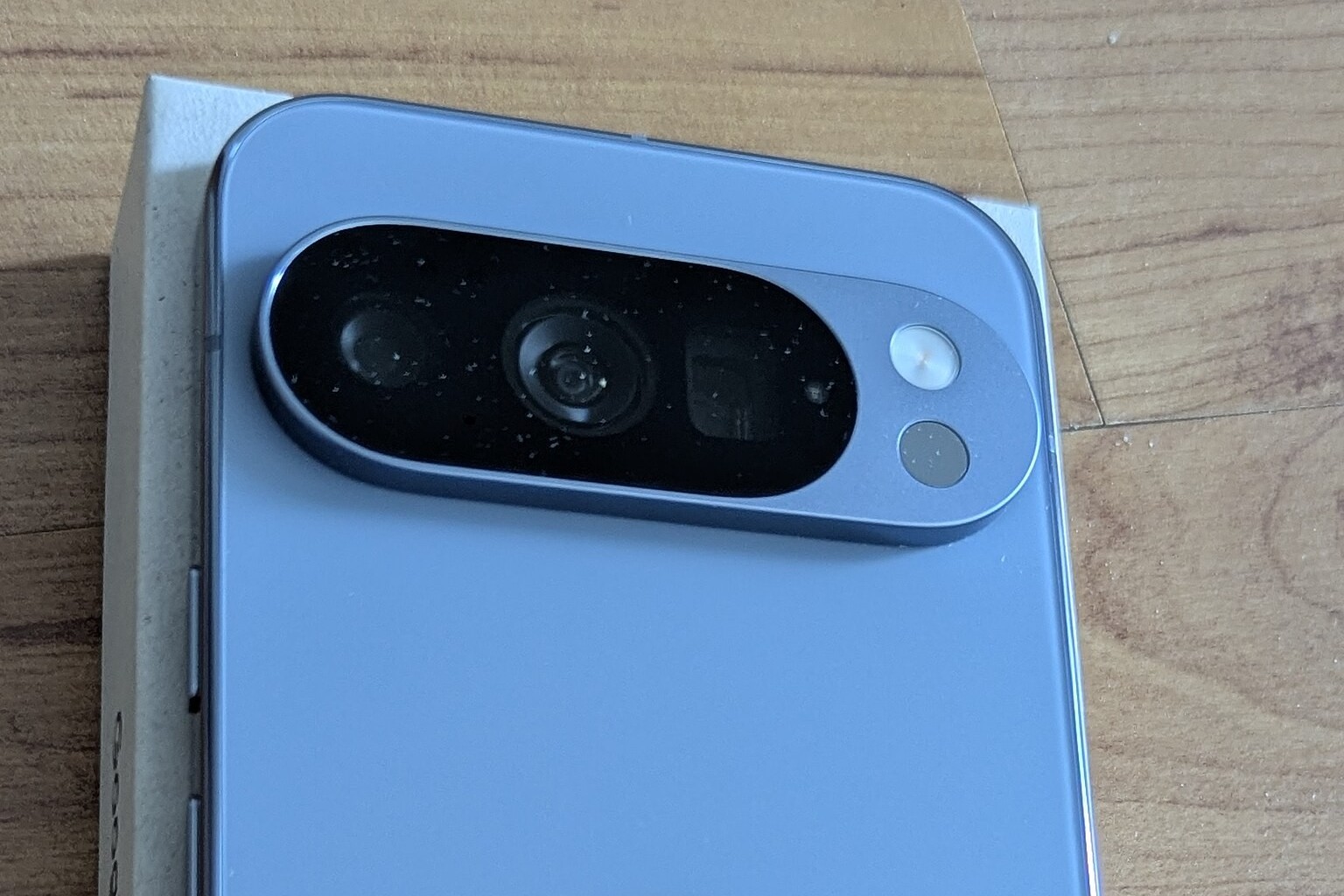
Google on Thursday launched Guided Vision, a mode in Gemini Live on Android that describes what your phone’s camera sees out loud and tells you how to move the camera to get a better view. Google says it is built for people who are blind or have low vision, or anyone who wants visual assistance.
How it works. You share your camera during a Gemini Live session with Guided Vision turned on, then ask questions, Google says. If the camera is pointed too high, too close or off to the side, Gemini asks you to pan, tilt or step back. Google’s examples include reading nutrition labels and appliance dials, finding a dropped earbud, checking whether clothes match and describing an unfamiliar room. It supports conversations in multiple languages, the company says, and was tested with blind and low-vision users in countries including India, Brazil, Singapore, Indonesia and Japan.
Who built it. To train Gemini Live for the feature, Google says it partnered with Aira, which connects blind and low-vision people with professional visual interpreters, to visually interpret data for a total of tens of thousands of hours. More than 1,000 members of Aira’s Trusted Tester network helped stress-test and refine the model, and Aira specialists helped establish and evaluate its safety guardrails, according to Google.
Where to find it. Google says Guided Vision is available now on Android devices running Android 9 and above, in regions and languages where Gemini Live is supported. You can turn it on in the Gemini app’s profile settings, set it up as an Android accessibility shortcut, or open it from the TalkBack screen reader’s menu. Google’s post does not say what Guided Vision costs or whether it will come to iPhones.
What it isn’t. Google says Guided Vision “can make mistakes.” It is “not a medical device, mobility aid, or white cane replacement,” the company says, and it isn’t meant for navigation, guidance on traveling safely, or detecting obstacles. Google says users should keep relying on their usual mobility aids.
Earlier coverage
— Rowan Keel
Edition Oct. 1, 2026 · Archive shelf