Google and Meta open-source TorchTPU to run PyTorch on TPUs
Google says TorchTPU, built with Meta’s PyTorch team, lets existing PyTorch code run on its TPU chips with minimal changes.
Share
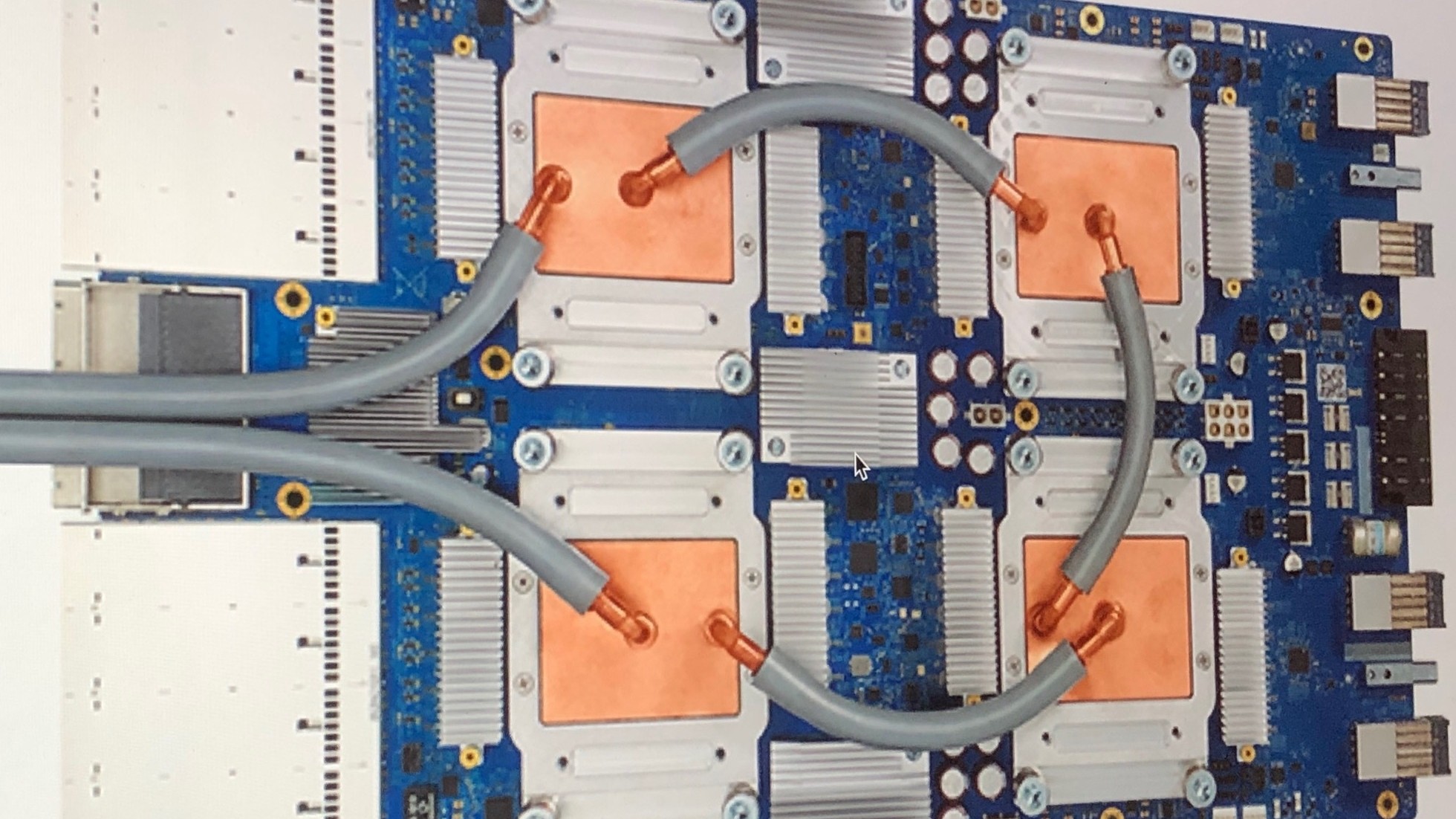
Google released TorchTPU, its native PyTorch stack for its TPU chips, as open source on GitHub on Tuesday at PyTorch Conference 2026, the company said in a Google Cloud blog post. Google co-developed it with the PyTorch team at Meta.
What it does: Google says TorchTPU lets developers run existing PyTorch workloads on TPUs with minimal code changes. They debug in eager mode, then move to torch.compile for production performance. According to the PyTorch blog, porting should be as simple as changing model.to("cuda") to model.to("tpu"), though the TorchTPU team says that change alone won’t reach peak TPU performance.
Meta’s view: “At Meta, advancing the frontier of AI requires immense compute scale and deep hardware diversity. We cannot be constrained by a single hardware architecture,” Jana van Greunen, Meta’s director of PyTorch engineering, said in Google’s post. She said TorchTPU lets Meta deploy its PyTorch workloads to Google TPUs, including for LLM, ads and recommendation systems.
What works with it: Google says developers can train and serve models on TPUs with tools including vLLM, SGLang, llm-d, TorchTitan, Ray, TorchRec, Hugging Face and LiteRT. In Hugging Face’s Transformers v5, deploying to TPUs takes device_map="tpu", Google said.
Google’s numbers: In Google’s own tests, training through TorchTitan reached up to 52% model FLOPs utilization on Qwen 3 8B and scaled across up to 8,192 Ironwood TPUs, the company said.
Earlier coverage
Edition Oct. 20, 2026 · Archive shelf