OpenAI says it held weeks of safety talks with rival labs
Anthropic and Google DeepMind are in the talks, and the firms don’t need an antitrust exemption, OpenAI’s Chris Lehane said.
Share
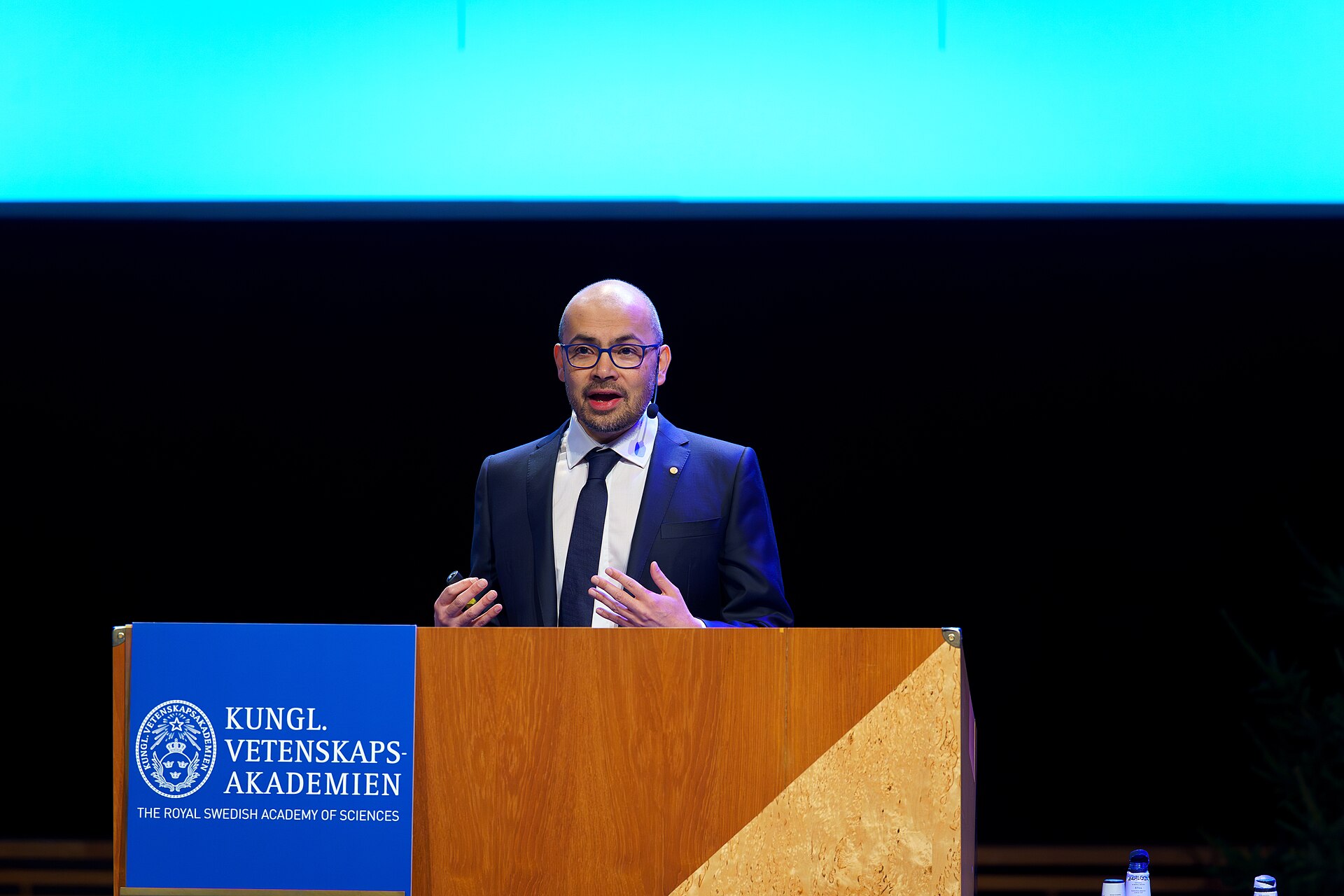
WASHINGTON — On Sept. 15, 2026, OpenAI’s global-affairs chief Chris Lehane told reporters the company has been working with Anthropic and Google DeepMind on AI safety for weeks. An OpenAI spokesperson told CNBC the talks track to Demis Hassabis’s July call for a U.S.-led standards body. Lehane said the firms do not need an antitrust waiver to coordinate on safety.
Three frontier labs are talking about shared safety standards and possible industry monitoring while Washington argues whether coordinated pacing is prudence or a cartel.
The rule in English
No statute. No signed joint agreement published. Operative facts: multi-lab safety talks underway for weeks (Lehane; OpenAI spokesperson). Context includes Hassabis’s July standards-body proposal and Amodei’s Sept. 12 pacing essay. OpenAI’s Sept. 9 policy post already said the company would work with other frontier labs on industry-led standards “with or without government support,” complementary to — not a substitute for — mandatory federal safeguards.
Antitrust posture. Amodei’s essay asked for government mediation or a narrow waiver for certain safety conversations. Lehane, per TechCrunch citing Bloomberg, said OpenAI does not see a need for a waiver. White House AI adviser David Sacks, in an X reply to Amodei and Altman’s pacing alignment, told the labs to stop pretending antitrust law must be suspended “so you can form a cartel” — and to pace unilaterally if they believe their own unreleased models require it.
Who wrote it / who it binds
Speakers: Lehane (OpenAI, to reporters); OpenAI spokesperson (to CNBC). Participants named: OpenAI, Anthropic, Google DeepMind. Talks bind no one until a published standard, contract, or statute exists. Competitors outside the three are not parties.
Who it exempts
Startups and non-frontier developers are not in the room. Trump’s public posture still rejects a federally driven slowdown (see Sep 14–15 coverage). Sacks’s line rejects special antitrust shelter for coordinated restraint.
What a founder, parent, or worker should do differently
Founders at other labs: treat this as OpenAI-confirming private coordination, not a finished SRO. Watch whether The Information’s reported “standards body without U.S. government support” materializes in writing.
Founders fearing antitrust: Lehane’s “no waiver needed” and Sacks’s “cartel” framing pull opposite ways — get counsel before joining any agreement that limits training pace or release timing.
Parents and workers: multi-lab talks are not a product safety rule for apps in schools or homes.
What’s next
- Any published charter, membership list, or first joint standard.
- Whether Congress advances a safety-coordination antitrust defense (e.g., pending CATSR-style proposals discussed in secondary analysis).
- Anthropic and Google public confirmations beyond OpenAI’s account.
- How talks interact with OpenAI’s separate FRONTIER Act IVO endorsement (earlier coverage).
Sources: OpenAI / Lehane, “The AI policy window is open,” Sept. 9, 2026; TechCrunch on Lehane talks; CNBC confirmation.
Edition Sept. 16, 2026 · Archive shelf