Google’s orbiting TPU sends its first AI response: a haiku
Google says a Project Suncatcher prototype ran Gemma 4 on a TPU in orbit. Heat and radiation tests come next, then two linked satellites in 2027.
Share
Google says its Project Suncatcher prototype satellite has returned what it calls “the first-ever AI response from a data center class TPU in orbit.” The answer was a haiku. Travis Beals, Google’s senior director, Paradigms of Intelligence, wrote on Friday that the team reached its “Hello World” milestone this week, about a month after the satellite launched on Oct. 1.
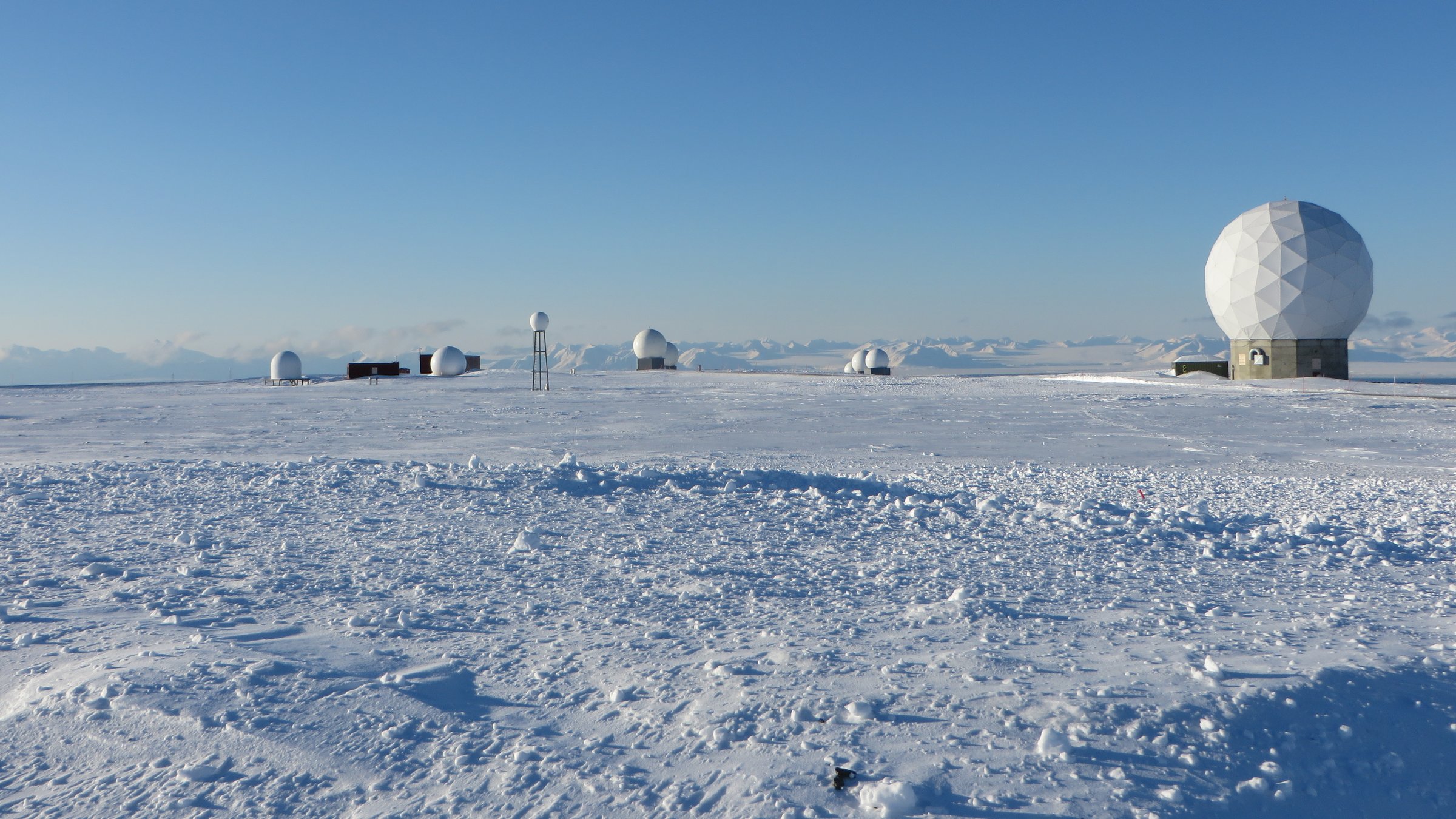
The poem: During a ground-station pass, the team uplinked a prompt to the satellite’s onboard Gemma 4 open model, asking it to write a haiku about being in space, Beals wrote. The satellite passed over Svalbard, Norway, as the poem came down. It read: “Blue marble below / Data streams in silent grace / Starlight feeds my core.” Google says the downlinked poem “confirmed success.” After that first output, the team tested space-themed limericks and telemetry prompts that reported the technical status of the payload systems.
How it got there: Before the prompt, Google spent the last few weeks working through a commissioning checklist that included powering up the host and TPU trays and “successfully running early machine learning tests,” according to the post. The satellite was built with Planet and rode SpaceX’s Transporter-18 rideshare mission, Google said in a Sept. 24 background post. Planet said on Oct. 20 that each satellite it launched on Transporter-18 on Oct. 1, “including the prototype for Google’s Project Suncatcher,” was healthy and progressing through calibration.
What Google tested on the ground: Google says it shook the satellite on all three axes to mimic a rocket launch, during which components such as TPU chips can face forces of 50 to 100 g. It tested TPUs in a proton beam at UC Davis’s Crocker Nuclear Laboratory while they ran AI workloads, and said initial results show its Trillium TPUs “can survive a radiation total ionizing dose greater than what they would receive during a five-year space mission.” Those are Google’s results. For cooling, Google says it is trying heat pipes and radiators, because in a vacuum “you can only diffuse heat via radiators,” and it has tested the design in a thermal vacuum chamber.
Why space: Google calls Suncatcher a “long-term, research moonshot” that explores whether space could one day host scalable machine learning infrastructure. In low Earth orbit, Google says, satellites can get near-constant sunlight and generate up to eight times more solar power than on Earth.
Our read: A haiku is a demo, not a data center. What Google has shown is that a data center class TPU survived launch and commissioning and can run an open model and send text home during a ground-station pass. That is a real engineering step, and Google calls it the first step on a “long road.” The hard parts are still ahead, and Google names them itself: heat, radiation and links between satellites. Its own ground tests cover radiation and vibration, but Google says “some things can only be tested in space,” and the in-orbit thermal and radiation tests are next. Useful compute would mean clusters, and Google says future satellites will each carry dozens of TPU chips and talk to each other by laser at very high bandwidth over short distances, a link it won’t test until 2027. Until then, the eight-times solar power figure Google cites describes the setting, not results from a working orbital cluster.
What’s next: Google says it will run tests on how its TPUs perform under thermal stress and radiation exposure in orbit, which it says pave the way for twin interconnected satellites in 2027. Earlier today, we reported that Google and XREAL opened orders for AURA, the first wired Android XR glasses.
Sources: Google: We’ve received our first response from the Project Suncatcher prototype satellite (Oct. 30, 2026); Google: Behind Project Suncatcher, our moonshot to put AI in space (Sept. 24, 2026); Planet: Sharing First Light Images From Tanager-2 and SuperDove Flock 4J (Oct. 20, 2026)
Edition Oct. 30, 2026 · Archive shelf